Article: The article for anyone who takes their camera on trips | A practical guide to choosing a bag and packing for carry-on luggage
The article for anyone who takes their camera on trips | A practical guide to choosing a bag and packing for carry-on luggage
Over the weekend, I decided to go to Kyoto. I wondered how many camera bodies and lenses I should bring, but in the end I just stuffed everything into my usual camera bag and realized: There was no room left for a change of clothes. People who make mistakes when choosing a travel camera bag usually fall into one of two categories. Either: “I thought my usual bag would be enough.” Or: “I just brought something big.” In both cases, you’ll regret it once you’re on the road. You need to choose a travel camera bag based on different criteria than you would for everyday photography. In this article, we’ll approach the selection process from the perspective of the realities of travel.
Don't choose based on what you want to photograph, but on how you move
A common mistake when choosing a travel camera bag is to base your decision on the subject you plan to photograph. “I want to photograph landscapes, so I’ll bring my telephoto lens.” “I might also take portraits, so I’ll add a prime lens.” That’s how your gear piles up, the bag gets heavy, and the trip becomes a chore. The real question is: How will you get around? Will you spend a whole day walking through tourist attractions, drive around and stop at photo spots, or leave your hotel—your base—only in the mornings and evenings? Once you’ve decided on your mode of transportation, the requirements for your bag naturally narrow down. On a trip where you’re walking all day, a one-kilogram difference in weight can make a big difference in how exhausted you are by evening. If you’re driving a lot, you can stow the bag in the trunk while you’re on the road, so a slightly larger size isn’t a problem. The right approach is to first consider how you’ll be getting around and only then choose your bag.

Whether to pack your gear and luggage together in one bag or carry them separately—that’s the key to choosing the right travel bag
The first thing you should decide when choosing a travel bag is whether to combine your camera gear and luggage (a change of clothes, everyday items) in a single bag or to carry them separately.
The "All-in-One" Camp: The Weekender as the Top Choice
For photo trips lasting one or two nights, the Weekender—which combines camera gear and a change of clothes in a single bag—is the simplest option. Whether on the train platform or at the check-in counter: it’s just one piece of luggage. That alone makes the trip so much more comfortable. The Nelson M Weekender combines exactly that: a padded, removable camera insert fits inside the silhouette of a classic travel bag made of vegetable-tanned leather. Stow your mirrorless camera system and lenses in the protected compartment and fill the remaining space with everything you need for the weekend. Even at your destination, the bag doesn’t lose any of its presence.
The "Carry Separately" Camp: Combining Your Main Luggage and Camera Bag
For longer trips or when carrying a lot of gear, it makes more sense to carry your luggage and camera bag separately. The key is to keep the camera bag as light and compact as possible. Stow it in your luggage while traveling, and take it out only when you’re heading out to take photos: This routine makes traveling easier. The Oberwerth Sling Bag is perfect for this routine: made of grained cowhide leather, with a padded interior and adjustable dividers that protect even larger DSLR cameras. When swung forward, the camera is within reach in a single motion; a red lining makes accessories easy to spot; and a hidden compartment holds an AirTag®.
Anyone who travels by plane changes the nature of the trip by choosing not to check their gear
You should avoid checking cameras as luggage whenever possible. That much is clear. The risk of the lenses being jostled, the wait for baggage claim after arrival, and the risk of loss or damage: If you can take your equipment into the cabin, you should do so. As a general guideline for carry-on luggage, most European airlines allow a total length, width, and height of approximately 115 cm and a weight of up to 8 to 10 kg, although the specifications may vary depending on the airline, fare class, and route—especially with low-cost carriers—which is why you should check these details in advance. If you’re choosing a bag specifically for carry-on, checking the dimensions and weight is essential. The bag’s own weight is easily overlooked, but leather bags often weigh more than one kilogram even when empty. Be sure to estimate the total weight when fully packed before making a purchase.
The choice of material—when you think about your destination, you'll be glad you brought this bag along
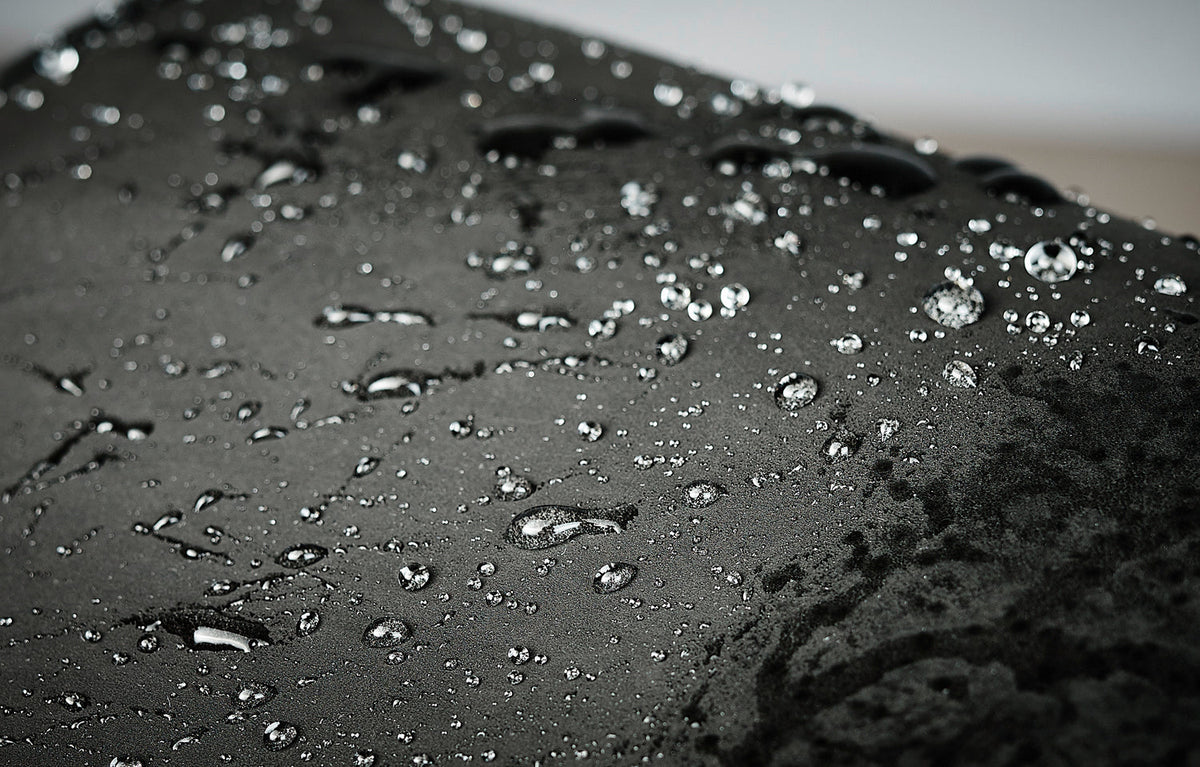
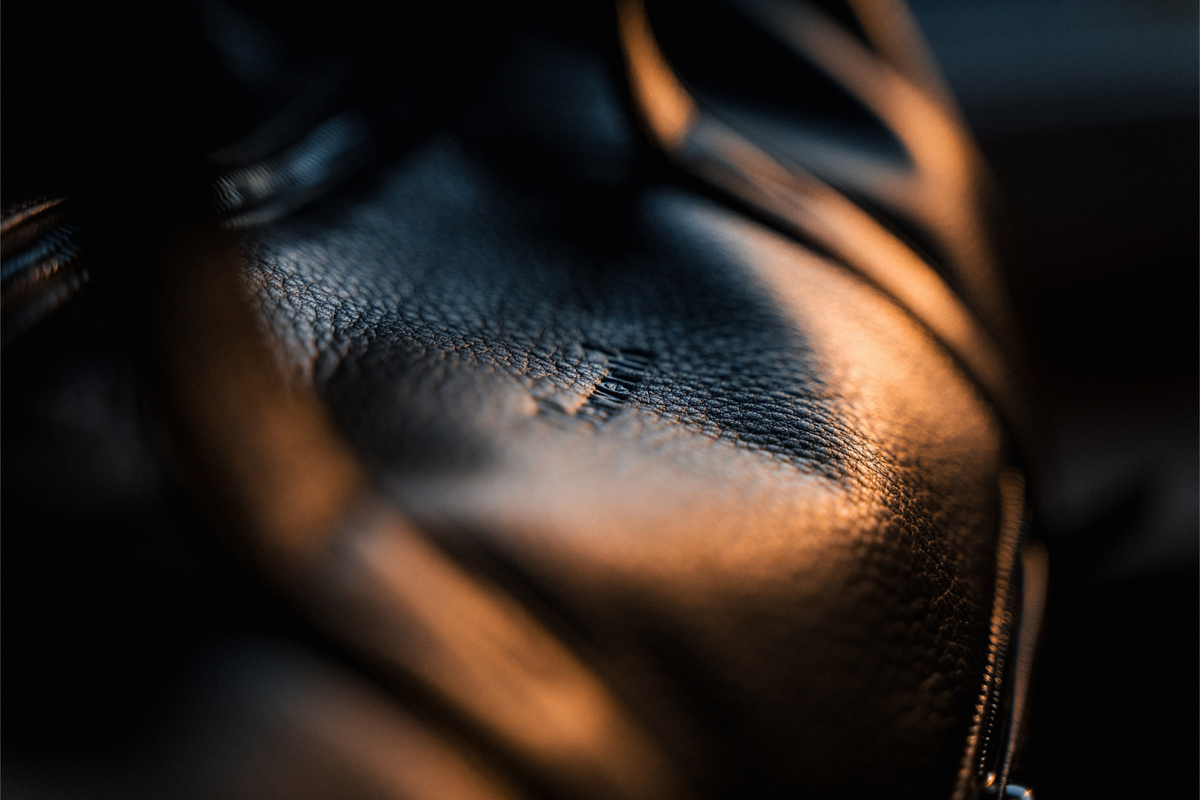
When traveling, your bag may get wet in the rain or suffer scuffs in crowded places. Precisely because it’s exposed to a harsher environment than in everyday life, the choice of material for a travel bag is all the more important. If you prioritize water resistance and light weight, nylon and synthetic materials are the safe choice. They’re especially reliable during Southeast Asia’s rainy season or when hiking in the mountains. Yet a genuine leather bag has a charm that goes beyond mere functionality. The more you travel, the more the leather changes, and memories of the places you’ve visited become woven into it. A bag that allows you to cultivate such a relationship is a particularly valuable travel companion. For those who prioritize water resistance and light weight, the Momentum Bag L made of ReLon® is the practical solution: lightweight, clearly organized, and featuring a Fidlock® closure that opens in a single motion. Those who prefer leather that records their travels, however, will find what they’re looking for in the full-grain leather collection.

The travel bag stays, even after the trip is over
The photo preserves the memory of the trip. The bag stays with you as the tool that carried you on that journey. The marks and color changes that become part of a well-worn piece of leather are proof of where you’ve traveled, what you’ve seen, and what you’ve photographed. When choosing your travel camera bag, consider one more question in addition to the technical specifications: Will I want to take care of this bag even after the trip is over? Once you’ve found the answer, that’s the right bag for you. And if you’re unsure which model suits your trip and your gear, the Oberwerth Bagfinder will guide you in just a few steps from your camera system to the right bag—with a lifetime warranty on every piece.