What are Japan's three major camera manufacturers? A comprehensive comparison of features, strengths and popular models
"Which brand should I choose in the end?"
This is the first question most people ask when buying a camera.
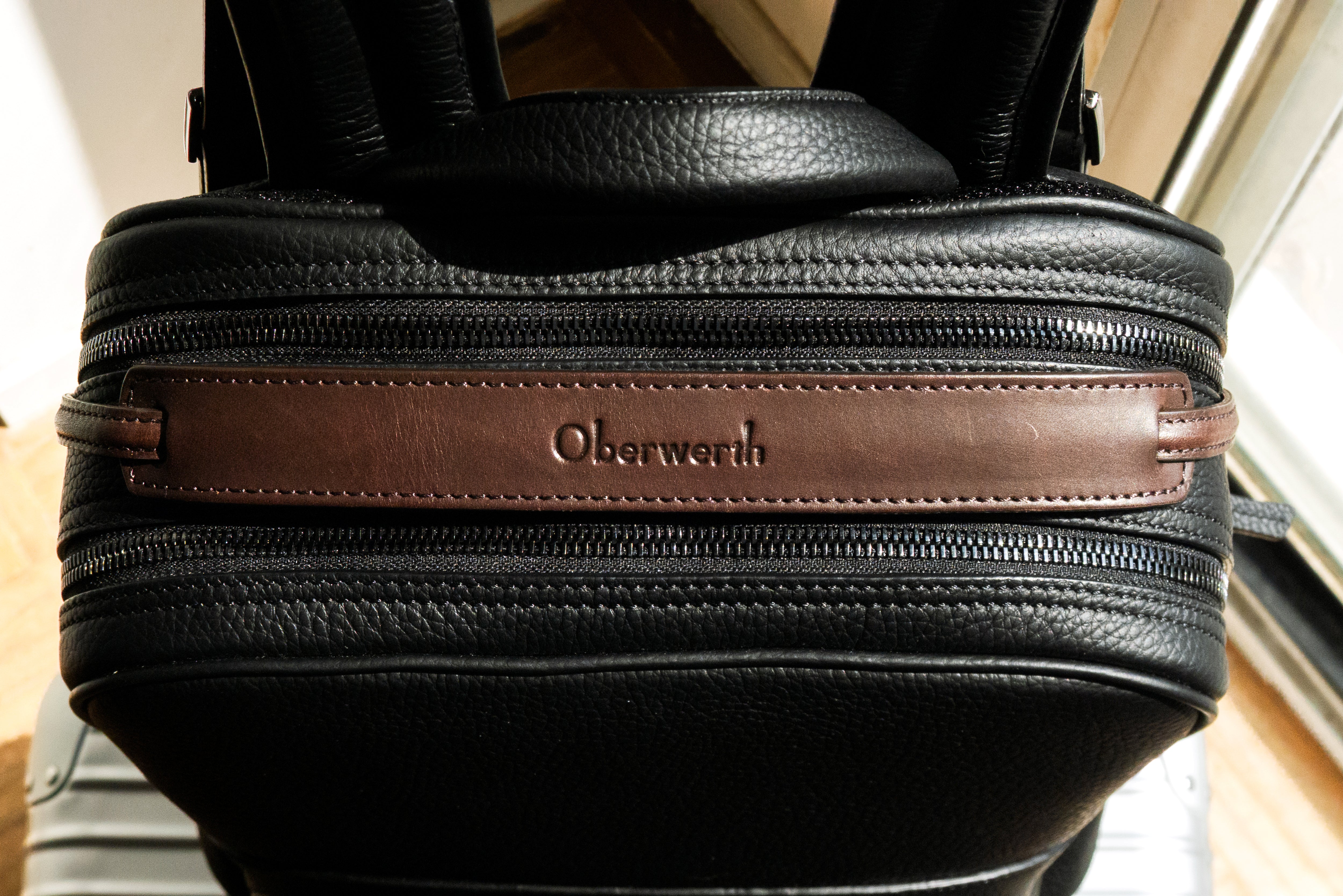
The choice of camera body is of course important. But if you want to take your camera with you, storage space and padding are just as crucial. To transport your equipment safely, it makes sense to also choose a camera bag that suits your photography style. At this point in particular, it is often underestimated how much the right bag influences everyday photography. A well-designed camera bag decides whether you actually take your camera with you or leave it at home for convenience. Models such as the Edward (M Bag) combine structured storage space with quick access and are designed to keep your camera and accessories safely stowed away without slowing down spontaneous use.
In short, Japan's big three camera manufacturers are:
-
1st place: Canon / 2nd place: Sony / 3rd place: Fujifilm.
All three brands are highly regarded worldwide and continue to hold their own in the age of mirrorless cameras. However, their strengths differ significantly.
There are three key points of comparison:
System scope (camera body and lenses)
Autofocus (AF) and video performance
Color rendering and overall shooting experience
Let's take a clear and practical look at the differences.
1st place - Canon: Features, strengths and popular models
Feature: The advanced EOS R system
Canon's mirrorless "EOS R" series is characterized by its high overall quality. From entry-level models to professional cameras, the product range is comprehensive, meaning that the brand can be chosen without hesitation in almost any price range. One of Canon's most acclaimed technologies is the Dual Pixel CMOS AF II with AI-based scene recognition. People, animals, birds and vehicles can be tracked precisely, significantly reducing focusing errors.
Strength: Excellent balance between photo and video
Canon cameras offer an excellent balance between photography and videography. Many models are true "hybrid cameras" and therefore very suitable for photographers as well as beginners in YouTube or vlog production. In addition, Canon has rapidly expanded its RF bayonet lens system, offering everything from fast fixed focal lengths to super telephoto lenses and power zoom lenses for video production.
Popular models
EOS R5 Mark II: A high-resolution, fast and highly stabilized all-round camera for professionals and ambitious users.
EOS R6 Mark III: A versatile model with excellent high ISO performance and strong autofocus. Often named as a candidate for the best camera of 2025.
EOS R7: An APS-C model with fast autofocus, popular for wildlife and sports photography.
EOS R100: An affordable entry-level camera that makes the benefits of the EOS R system accessible.
If you are combining a full-frame camera such as the EOS R5 Mark II or R6 Mark III with fast lenses, you should choose a camera bag with plenty of storage space and high shock absorption; in such setups, a bag that distributes weight well and at the same time offers clear structure pays off. The Frankfurt camera bag is designed to meet precisely these requirements: sufficient space for the camera and several lenses, a stable shape even when loaded and a carrying system that makes longer periods of use noticeably more comfortable.
Recommended for:
Anyone who doesn't want to miss important moments such as family celebrations or sporting events
People looking for a camera for photo and video
Beginners buying their first serious interchangeable lens camera
Not for nothing is it often said: "When in doubt, take Canon."

2nd place - Sony: Features, strengths and popular models
Feature: Advanced autofocus and strong video performance
Sony is one of the most important drivers of the mirrorless camera market. Its greatest strengths lie in its fast autofocus with AI processors and outstanding video performance. Real-time tracking AF is ideal for moving subjects and delivers a high hit rate even in sports and wildlife photography. In addition, Sony offers features such as 4K 60p, 10-bit recording and S-Cinetone color profiles, making the cameras particularly popular with filmmakers and content creators.
Strength: Wide choice and flexibility
Sony offers a large selection in both the full-frame and APS-C range, so that the right model can be found for every budget. The E-mount system also has an enormous selection of lenses, both from Sony itself and from third-party suppliers. Whether price-performance or high-end optics: the system offers maximum flexibility.
Popular models
α7R V: A high-resolution camera for landscape and commercial photography.
α7 IV: A balanced hybrid camera for photo and video.
ZV-E1: A full-frame model specifically for vlogging and YouTube.
α6700: A powerful APS-C model with strong autofocus and video quality in a compact design.
If you use a video-focused model such as the ZV-E1, you will probably take additional accessories such as microphones, small tripods or spare batteries with you. A camera bag with adjustable dividers can significantly improve efficiency here.
Recommended for:
Anyone who values performance and technical data
Content creators and videographers
Advanced users with a focus on lens selection
That's why you often hear: "If performance counts, take Sony."

3rd place - Fujifilm: Features, strengths and popular models
Feature: Color character and shooting experience
Fujifilm's greatest strength lies in its film simulations and special color reproduction. The experience gained in film production still characterizes the digital cameras today. From the vibrant colors of Velvia to the soft rendering of ASTIA, the subdued look of CLASSIC CHROME and the natural color reproduction of REALA ACE - being able to create all of this directly in the camera is a great advantage. The retro-inspired design and haptic dials also make Fujifilm cameras particularly popular. Many say: "It's just fun to take pictures with it."
Strength: Outstanding JPEG quality
Fujifilm is known for its very good JPEG output. Many photographers are already completely satisfied without RAW processing. The APS-C-oriented X series also offers a very well-balanced combination of camera and lenses.
Popular models
X-E5: A compact rangefinder camera, ideal for street photography.
X-S Series / X-T Series: DSLR-like designs with versatile performance.
Recommended for:
Anyone who wants to enjoy a film-like look
Street and travel photographers
Photographers who prefer little post-processing
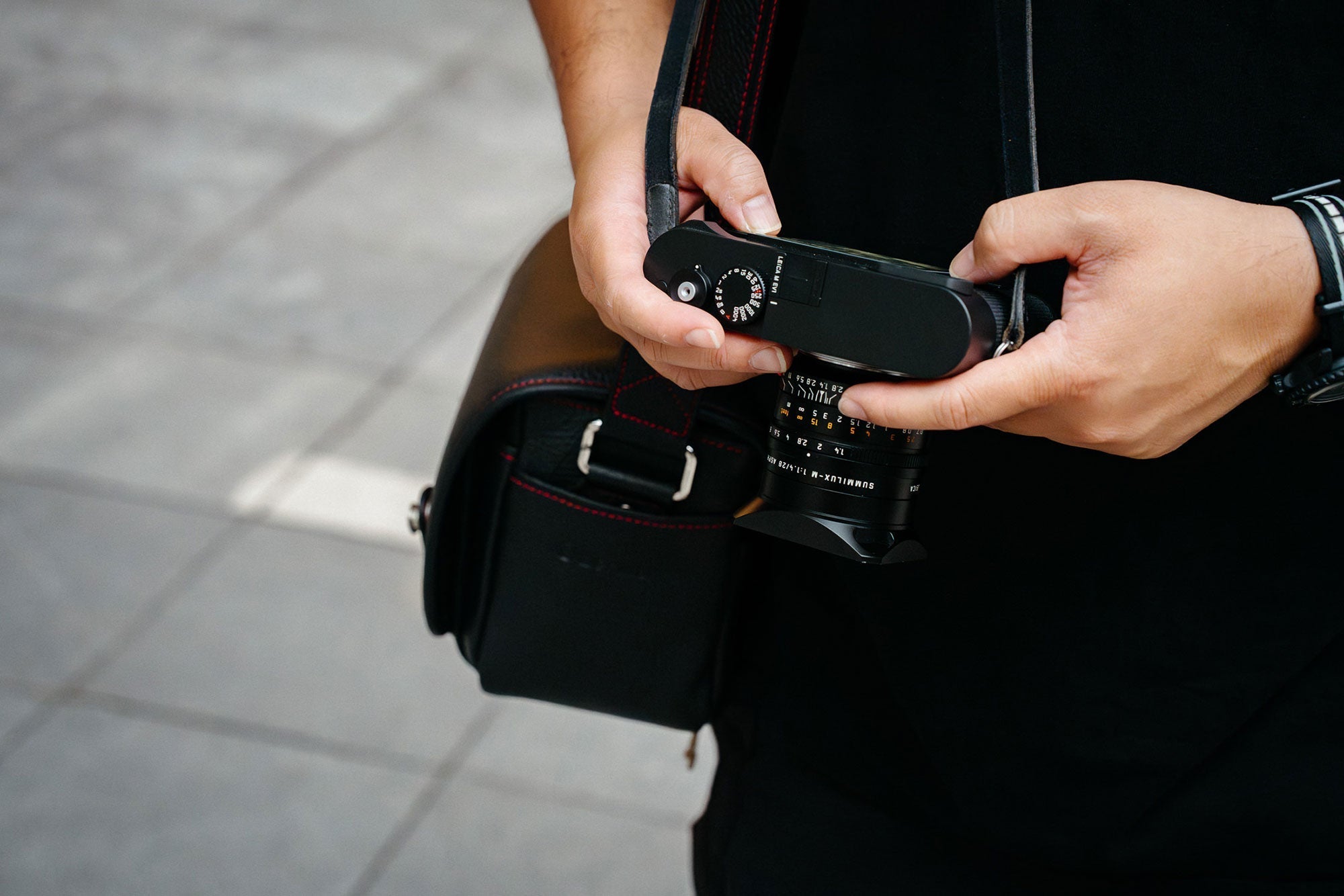
You could say: "When it comes to atmosphere, Fujifilm is the right choice." Compact shoulder bags are particularly popular for street and travel photography. Street photography is often about inconspicuousness and speed. A compact bag like the The Q Bag supports exactly this kind of work: lightweight, carried close to the body and organized so that the camera and small essentials are always at hand - without distracting the focus from the subject.
Finally - Why Nikon should also be mentioned
Although Nikon is not listed in the "top 3" in this ranking, the brand remains an important option. The Z series is appreciated for its robust bodies and optically high-quality Z lenses and receives particular praise in landscape and portrait photography. Nikon is also an attractive switch for DSLR users - as well as anyone looking for a long-lasting camera.
Which one should you choose?
For reliability and safety → Canon
For state-of-the-art autofocus and video performance → Sony
For color character and shooting experience → Fujifilm
A camera is not chosen based on technical specifications alone, but also on what you want to photograph and the experience you are looking for.
All three manufacturers offer sophisticated systems, so you can hardly make a wrong decision. That's why the most important point is to choose the camera that best suits your personal photography style.