Waterproofness reality check: Hydro leather vs. rain covers vs. waxing
The colorful lights of a shopping street reflected in rain-soaked surfaces, stormy landscapes or a sea of multi-colored umbrellas - what photo enthusiast doesn't immediately see ideal image compositions in such scenes and start thinking about exposure and focus? In order to capture these special impressions in the rain and wet, you need one thing above all: good equipment and appropriate protection against the ingress of water. Anyone who likes to take photos outdoors in all weathers will no doubt have considered the question of waterproof camera bags and may have stumbled across terms such as high-tech leather, waxing, waterproof and water-repellent. In this text, we will take a closer look at what these terms mean and what advantages the Oberwerth Hydro Line bags, for example, offer.

Waterproof vs. water-repellent leather
First of all, it is important to understand the subtle but crucial differences between various camera bags in terms of their use in rainy weather. When we talk about water-repellent bags, for example, we are generally referring to those that offer protection from light to moderate rain or splashing water. They can be made of impregnated leather, for example, which initially repels water but allows it to penetrate if it remains wet or under heavy pressure. For everyday use or in urban contexts, where you can usually escape rain and moisture quickly, such a bag is often completely sufficient.
However, if you want to be out in the rain and wet for longer periods of time without worrying about water penetrating the camera bag, and if the bag is to offer protection even when immersed or under heavy, prolonged pressure from water, you should look for a truly waterproof model. Non-porous materials such as coated nylon or specially treated hydro-leather are often used. To meet these requirements, the bag should also have sealed seams and waterproof zippers. If you specialize in landscape or wildlife photography or generally like to shoot in extreme conditions, you should consider buying a waterproof bag like this.
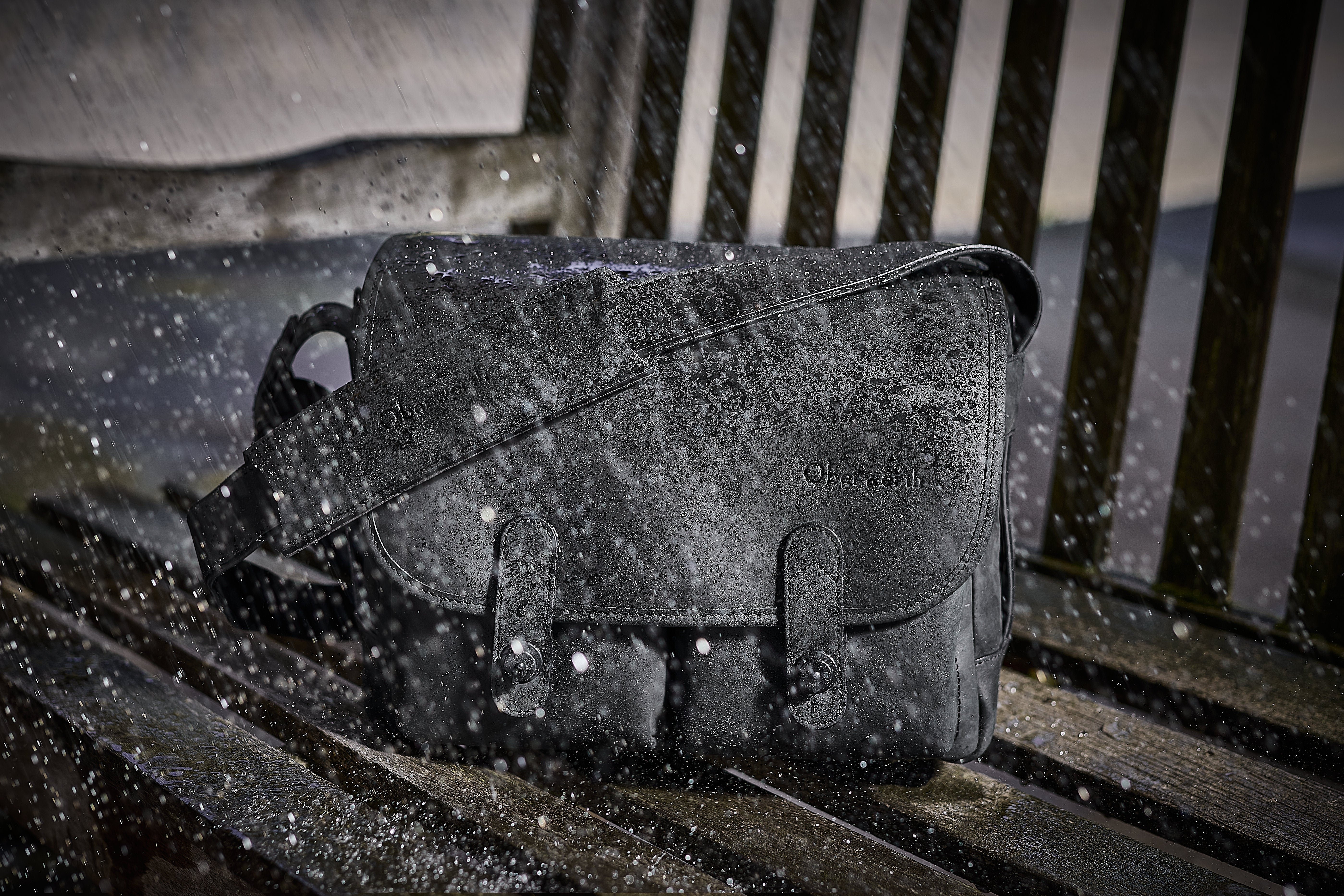
Those who frequently commute between city walks, train platforms and short periods of rain will benefit from a shoulder bag made of hydrophobic, vegetable-tanned leather: on the outside, the rain simply rolls off thanks to the lotus-like effect, while inside there is enough space for a camera, interchangeable lenses and even a notebook - securely padded and quickly to hand without having to reach for the crackling plastic cover.
Oberwerth Hydro vs. rain cover: a practical test
In order to be able to offer its customers an optimally rain-protected camera bag, Oberwerth has spent a long time working on the perfect formula. Trials, work and research have paid off, because the Hydro Line is now a beautiful solution for everyday weather protection that is as practical as it is elegant. The Oberwerth Hydro Line is based on an integrated solution that does not require an external rain cover to be pulled over the camera bag from the outside.
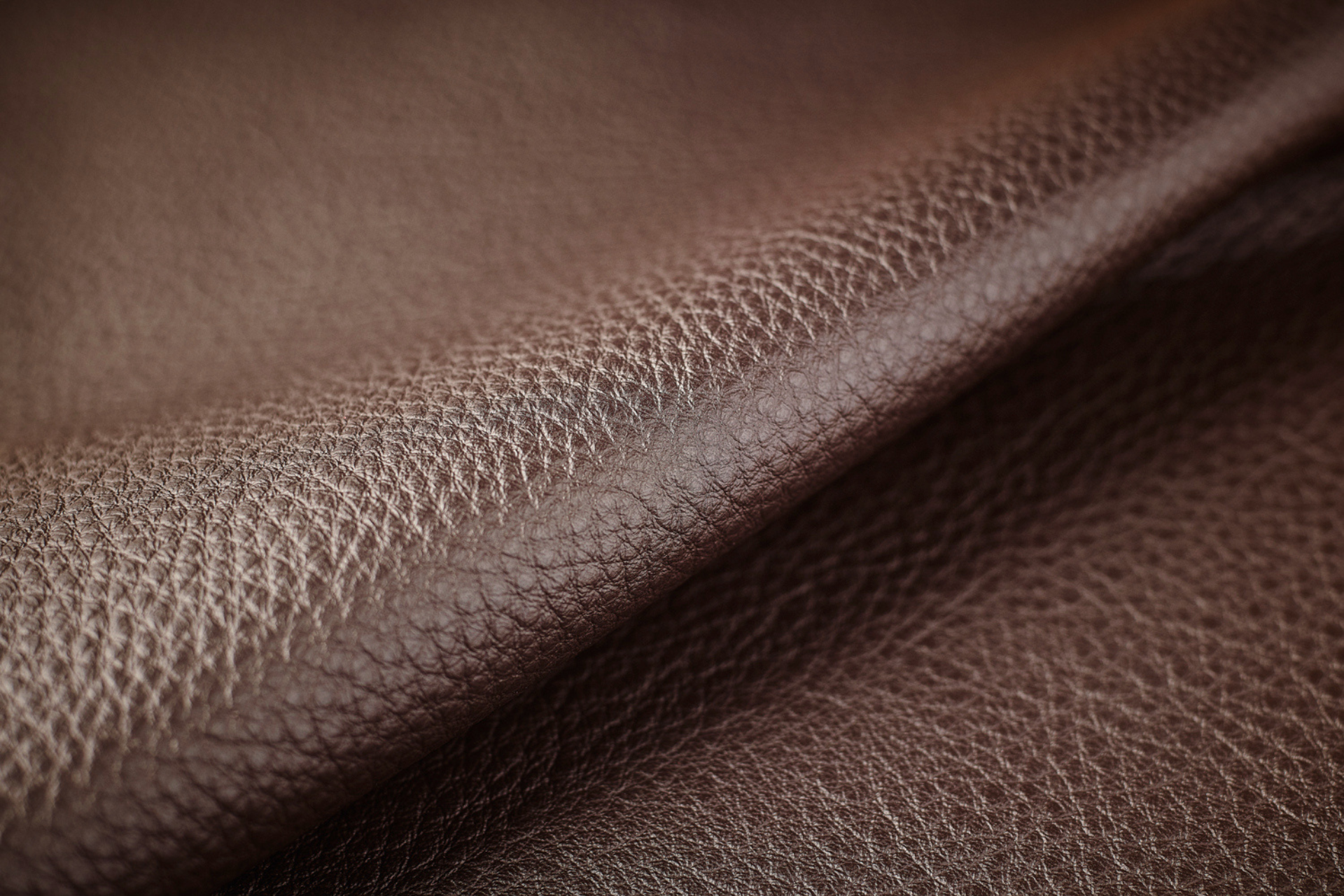
In addition to the elegance, a decisive advantage is the better accessibility of the camera equipment in the bag, which can always be easily reached without having to remove a rain cover, for example. Oberwerth uses a specially treated, hydrophobic cowhide leather for the Hydro Line. Hydrophobization is a chemical process that takes place during the tanning process, making the leather water-repellent in depth and creating a permanent beading effect.
This provides lasting protection for the leather, which does not need to be constantly refreshed with care products such as wax, grease or waterproofing sprays. In addition, the natural look, feel and breathability of the leather can be retained. In light to medium rain, the water simply rolls off. In extremely heavy, prolonged rain, however, hydro leather reaches its limits, as water can penetrate through seams or zippers under heavy loads. Hydro leather can also develop a slightly different patina over the years than pure, untreated, vegetable-tanned leather.
If you want to play it safe and can do without a few aesthetic and practical advantages, you may prefer to opt for a separate rain cover. This is usually made of plastic, can be pulled over the camera bag if necessary and then offers quasi-waterproof protection. The complete impermeability of a plastic rain cover also provides effective protection against dirt and mud, but this makes access to the camera bag and all the equipment inside slower and more complicated.
To ensure that a water-repellent leather protects as reliably in the long term as it does on the first day of rain, it is worth following a care routine that combines cleaning, care and waterproofing in one step. A organic spray with bamboo extract maintains the water-repellent lotus effect, prevents the leather from drying out and ensures that the bag remains supple even after many wet uses and looks as if it has just come out of the factory.
Waxing leather bags: Traditional care and protection
Waxing or impregnating leather is the traditional care method for vegetable-tanned leather that has not undergone any special processes that make it hydrophobic. To wax leather bags, a leather balm or a special leather wax is applied to the surface. These penetrate the naturally open-pored surface of the leather and form a thin, water-repellent layer. The treatment must be repeated regularly to provide the bag with the best possible protection against rain and to achieve a long-lasting water-repellent effect.
The advantage of waxing leather is that the treatment also cares for the material, keeps it supple and prevents cracking. In addition, the naturally water-repellent character of the leather is strengthened and small scratches in the surface can be evened out. However, the wax treatment usually makes the leather darker and its surface appears smoother, which can change the appearance of the camera bag compared to its original design. The water-repellent protection that can be achieved by applying wax is not permanent and needs to be refreshed regularly. While such a treatment provides sufficient protection against splashing water, it proves less reliable than hydro-leather or an external rain cover in heavy rain or persistent wetness.
If you prefer classic waxed natural leather, a special leather wax and additional inner padding are ideal additions to your equipment: a preservative wax regularly refreshes the waterproofing, smoothes fine scratches and keeps the material elastic, while padded lens covers inside the bag ensure that glass and technology remain dry and protected even if the outer leather gets soaked.

Conclusion
The reality check shows that the best choice in terms of rainproof materials for the camera bag depends on the intended use. If it is for everyday use and the bag is only exposed to light rain or occasional splashes of water, a classic leather bag made from wax-treated natural leather may be sufficient. However, if you have higher demands on the rain resistance of your camera bag and want to be able to take elegant and practical photos even in heavy rain, we recommend bags such as the Oberwerth Hydro Line, which offer aesthetically pleasing yet durable protection from the rain. On the other hand, if you like to take photos in extreme conditions or want to spend a long time outdoors with your camera and equipment in the rain, it is better to use an external rain cover that provides truly waterproof protection even in extreme, prolonged rainfall or in very damp environments.