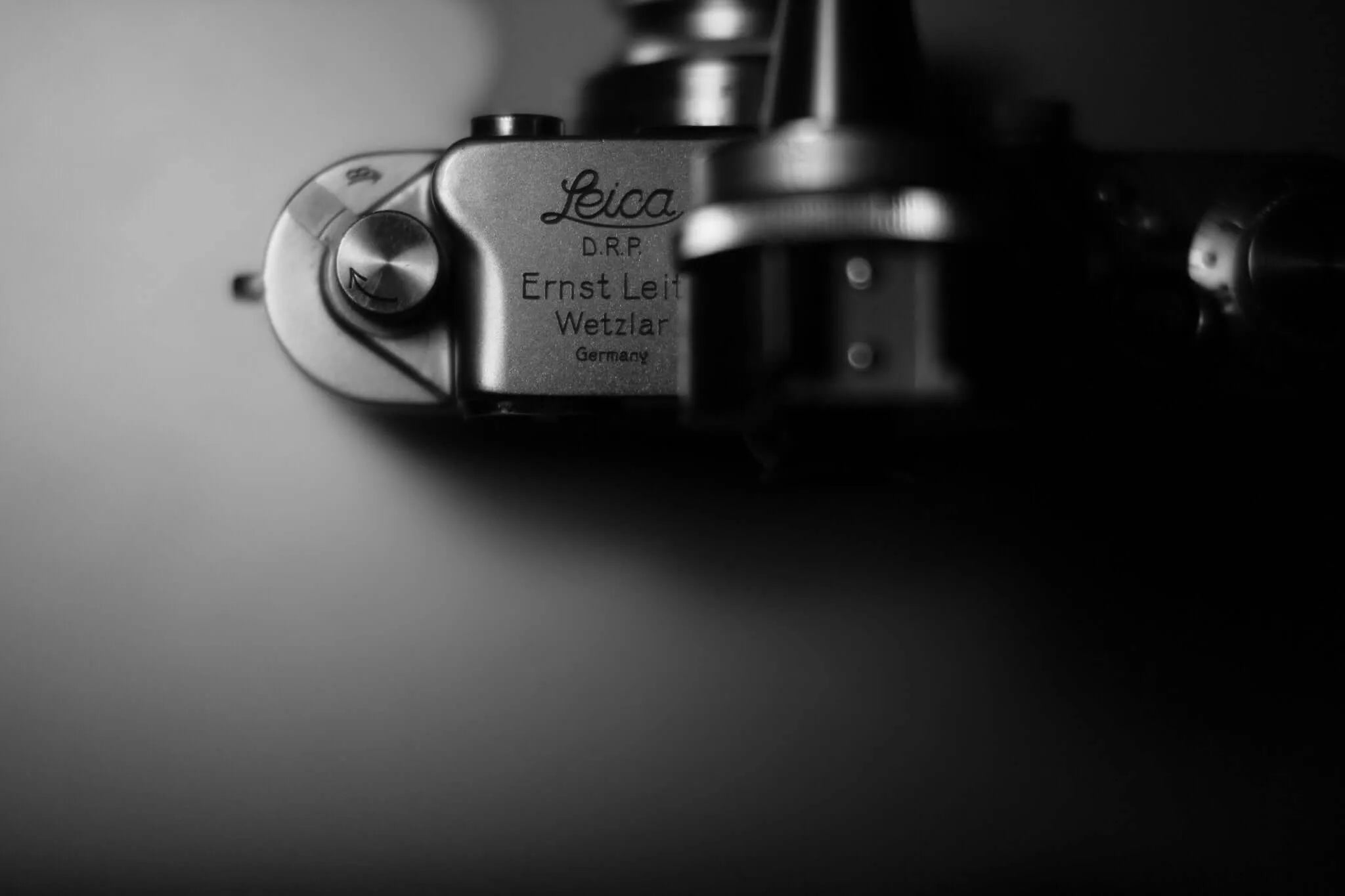
Which famous photographers shoot with Leica cameras?
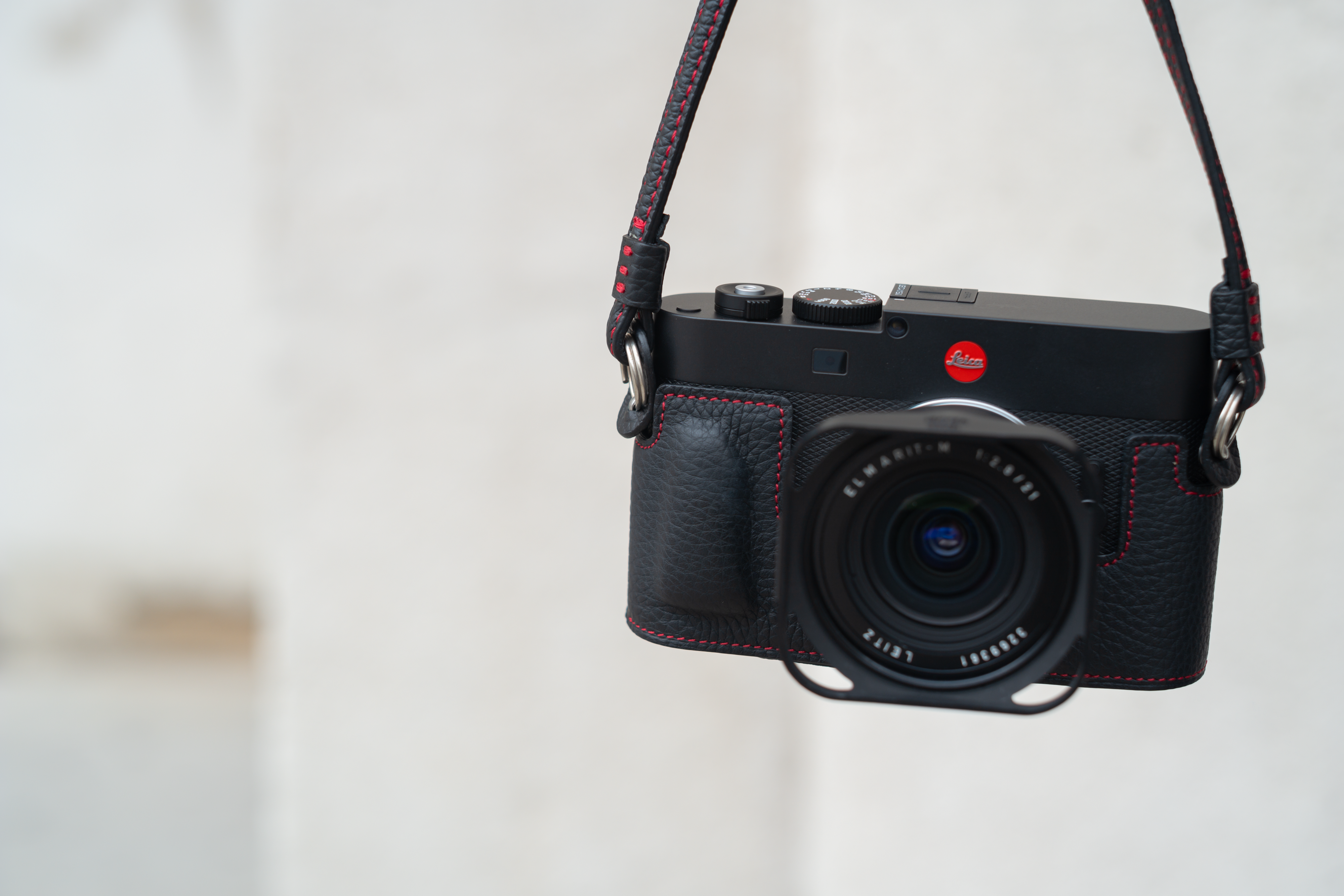
Leica cameras quickly achieved worldwide fame after their market launch and continue to enjoy great popularity among amateur and professional photographers alike. The new cameras made a completely new way of taking photographs possible and thus also shaped the people who worked behind the lens.
First photos with the Leica
The first photographers to have the privilege of photographing with the unprecedentedly small, light and handy Leica camera were its developer Oscar von Barnack and the owner of Leica Kamera AG Ernst Leitz. Even though neither of them were professional photographers, their pictures, whose vibrancy and spontaneity are of an unprecedented quality, have survived to this day. Even before the Leica I was released, the two amateur photographers photographed scenes of everyday life in Wetzlar, the birthplace of the Leica, and while traveling with predecessor models such as the so-called Ur-Leica. This makes them not only the first photographers to capture images on film with the Leica, but also pioneers of street photography.
Pioneer of street photography: Henri Cartier-Bresson
A woman climbing a curved staircase while pigeons fly around her. A man with a child by the hand crossing a square in front of a huge poster of Lenin. The top of a barge cutting diagonally through the perfect arch of a bridge. Henri Cartier-Bresson's compositions are captivating and never let go, opening up spaces and whisking us away into the past.
The Frenchman captured lively scenes in the countryside and in the city like no other and is widely regarded as a pioneer of street photography. He was one of the first professional photographers to use 35 millimeter film and Leica cameras. Among other things, Henri Cartier-Bresson's statement that the Leica was like an extension of his eye in his work, meaning that he literally merged with his favorite tool, became famous.
Henri Cartier-Bresson's pictures are much more than testimonies of their time and invitations to follow the photographer into a world full of complex patterns and contrasts. He not only founded the Magnum photo agency together with photographer friends in New York, but also inspired and had a lasting influence on many up-and-coming talents through his work.
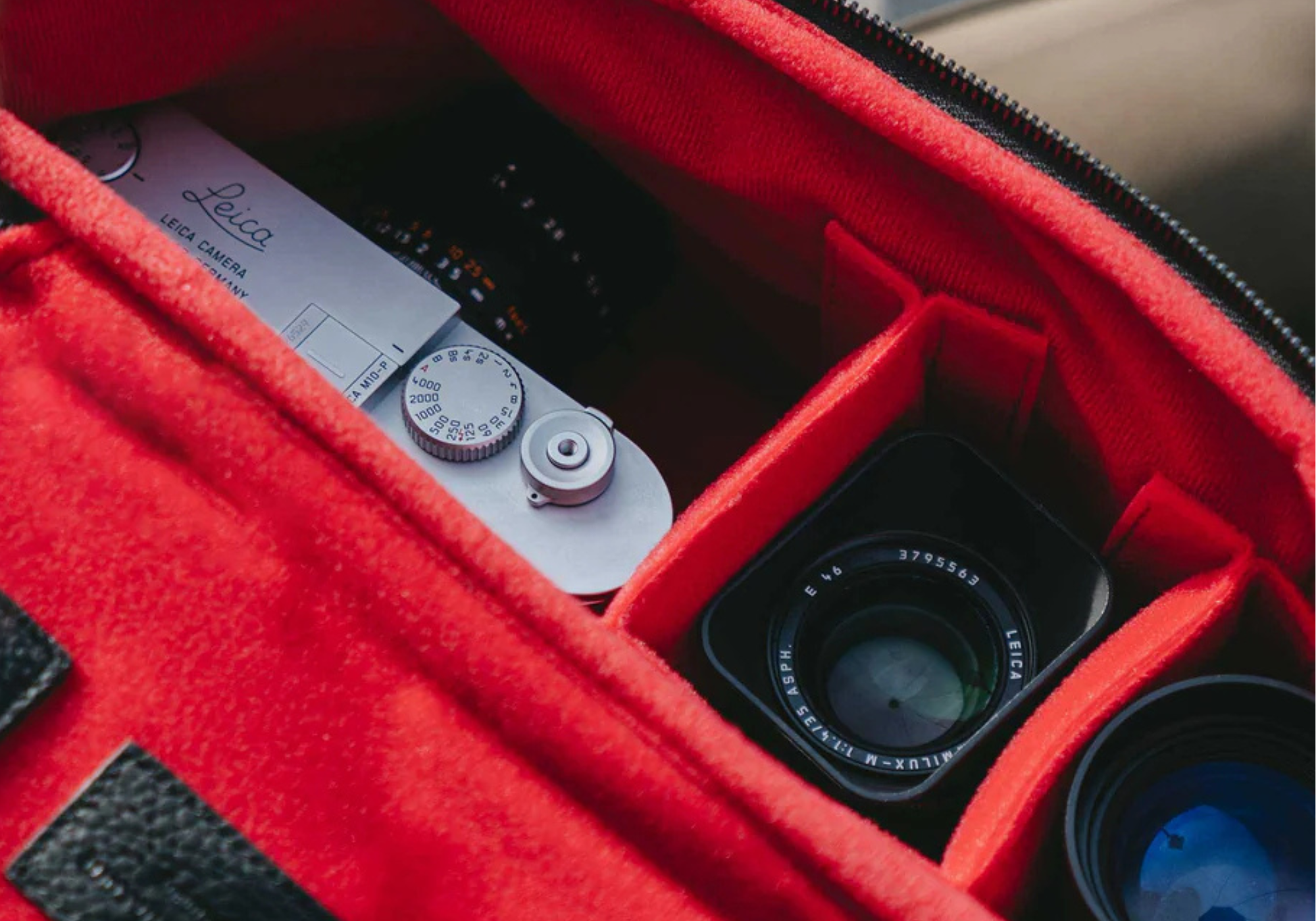
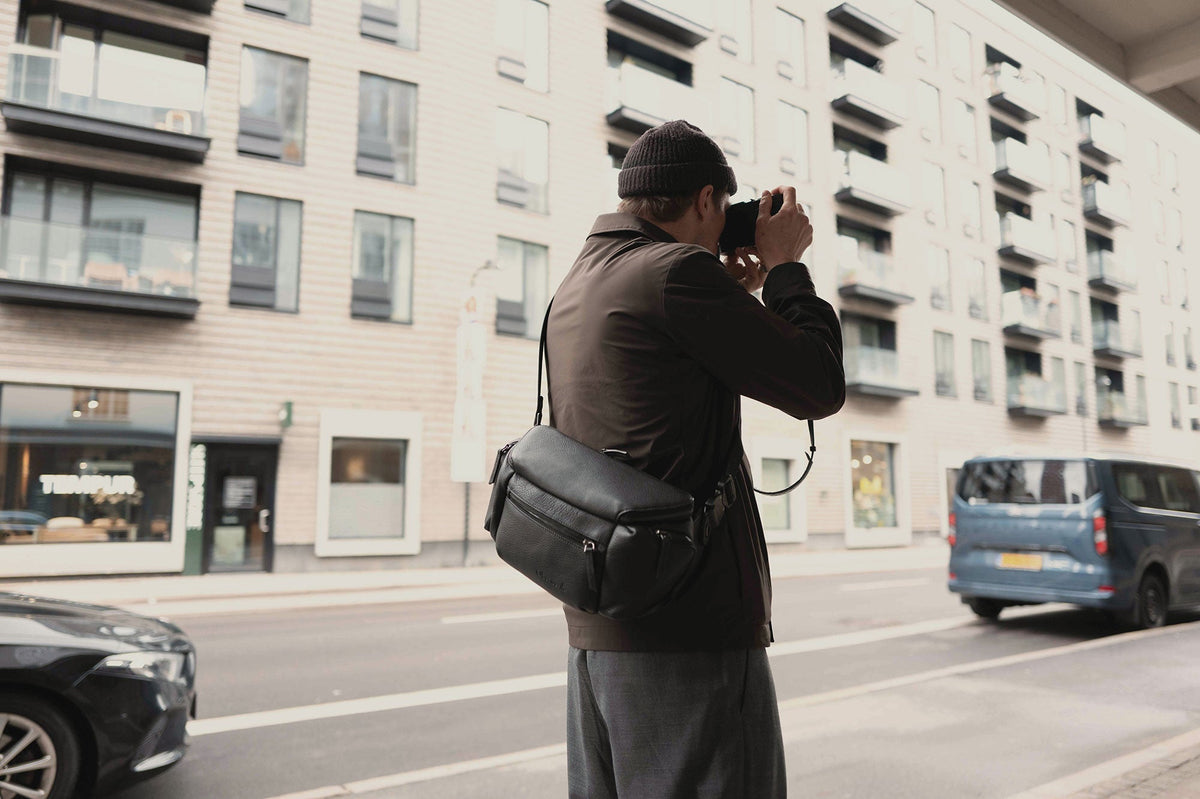
Like Cartier-Bresson, many photographers rely on compact, easily accessible solutions for on the go. A bag like The M Bag offers the perfect protection for rangefinder cameras and lenses, functional, unobtrusive and with quick access for the decisive moment.

The early photographer Inge Morath
One of the best-known women who dedicated herself to working with the Leica early on was the Austrian photographer Inge Morath. In an interview, she describes how she discovered her love of photography through Henri Cartier-Bresson's pictures and learned how to take photographs from them, even before she had picked up a camera herself. She became one of the first members of the newly founded Magnum photo agency and later traveled the world with her Leica. Among other things, she took famous photos of Marilyn Monroe and Dustin Hoffman on film sets.
Anyone who, like Inge Morath, photographs spontaneously and worldwide needs a bag that combines organization and elegance. The camera bag The Q Bag® Bag with its well thought-out interior offers secure space for camera, lenses and accessories, stylish and ready for use.
End of the war in Berlin: Yevgeny Khaldei
Some images make history and shape the memory of a particular historical moment for decades to come. And so hardly any documentation about the end of the Second World War can do without the pictures of the Soviet photographer and war correspondent Yevgeny Khaldei. He not only captured the historic moment when a Red Army soldier raised the Soviet flag over the heavily destroyed Reichstag in Berlin, but also the crazy scenes that took place all over Berlin and Germany in the turmoil of the end of the war.
Unfortunately, Yevgeny Khaldei had a hard time in later years in the Soviet Union and was only able to pursue his work and passion as a photographer to a very limited extent. After the fall of the USSR, he was honored and his work celebrated at the Visa Festival in Perpignan, among others. His photos from 1945 taken with a Leica are already an important part of historiography and shape the image of the end of the war.
Sebastião Salgado
Sebastião Salgado has been one of the best-known photographers of our time, and not just since the impressive film "The Salt of the Earth". The Brazilian photographer takes impressive portraits of people on all continents, always in black and white, always fascinating. In his early work in particular, Salgado worked with a Leica R6, which he later replaced with a digital camera.
After dealing with migration flows in his work "Exodus" and witnessing much suffering and misery time and again, Sebastião Salgado lost interest in working behind the camera for some time. He only found his way back to photography by searching for untouched nature, encountering and documenting special, completely natural places. This is how his famous exhibition "Genesis" came about. 2014 also saw the release of the film "The Salt of the Earth", directed by Wim Wenders, which deals with the life and work of this great photographer.
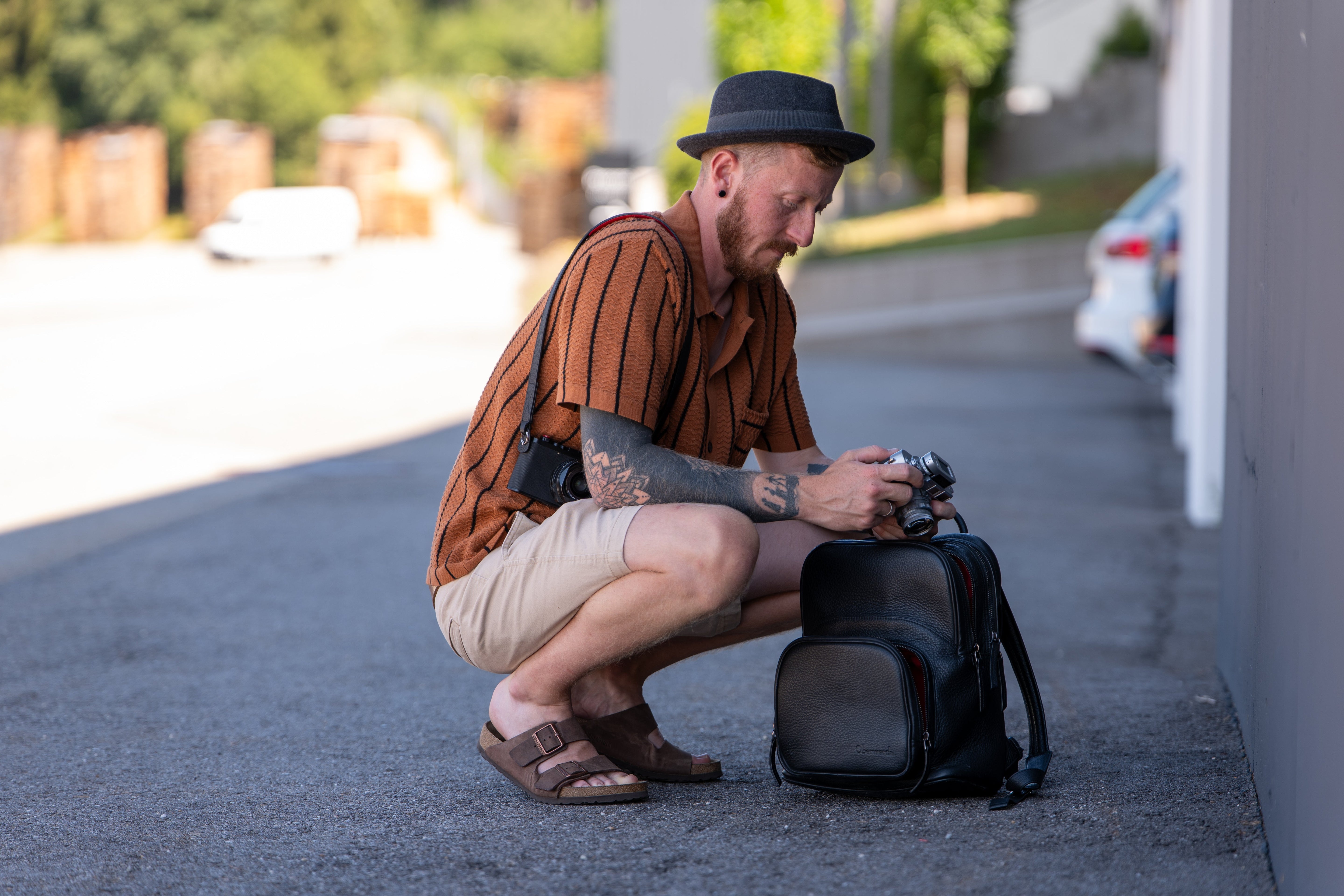
For photographers who, like Salgado, embark on intensive long-term projects, a robust rucksack is essential. The Everest backpack combines maximum carrying comfort with weatherproof protection, ideal for reportage photography while traveling and in remote regions.

Leica in color: Joel Meyerowitz
In the 1960s, many photographers were still critical of color photography. It was generally questioned whether color photography could be considered art and many were of the opinion that only black and white photography was true art. Not so the American photographer Joel Meyerowitz, who began photographing in color as early as 1962. While he alternated between color and black-and-white photography in the early years of his work, he devoted himself exclusively to color images from 1972 onwards.
With wide-ranging exhibitions in renowned museums such as the MOMA in New York and tributes in BBC documentaries, Joel Meyerowitz is now one of the biggest names in the world of photography, and the "Wizard of Color" has a permanent place in the Leica Hall of Fame.
Leica today
The Leica is not only interwoven with photographic history like hardly any other camera, it also inspires and shapes the work of up-and-coming talents in the world of photography as well as well-known photographers today. This is demonstrated by a look at the shortlist for the internationally renowned Leica Oskar Barnack Award, which will be presented for the 42nd time in 2022.
The shortlist contains mainly, but not exclusively, color photographs taken by photographers around the world with Leica cameras. The reference to social issues and current political influences is striking. For example, the photographers deal with the topic of water in the context of climate change, the role of women in Afghanistan or migration and lack of prospects on the American continent.
A look back in history makes it clear that the Leica camera has accompanied many great photographers and helped shape their work. Despite the camera's retro look, it is by no means a museum piece, but remains a living part of the world of photography.