Leica compact cameras: The best models 2026 | A professional guide to making the right choice
Is a Leica compact camera the right choice for you?
It's not just a camera - it's an experience
A Leica compact camera is not suitable for discussions about data sheets. On paper, cameras in the same price range from Sony or Fujifilm can keep up - and sometimes even surpass them. But when you choose a Leica, you're not just buying a machine that delivers results. You buy the weight in your hand, the feel of the shutter release at the moment you take the shot, the quiet satisfaction of pulling it out of your pocket. This sense of ownership that has grown over time - the overall experience of the object - is what the Leica brand really sells. Put it in your pocket every morning. Pull it out when something catches your eye. Take a picture. That's what a camera is.
How it performs against mirrorless system cameras and smartphones
The question "Isn't your cell phone enough?" deserves an honest answer. In terms of pure resolution and computer-aided night photography - yes, the latest smartphones can outperform a Leica compact camera in measurable points. But what Leica lenses produce in terms of color rendition, plasticity and quality of blurred areas cannot be replicated by any algorithm. There is something in the results that defies simple explanation - and that is precisely the point. Compared to a mirrorless system, you don't need interchangeable lenses. What you gain is a different kind of freedom: one camera, one lens, one vision. For photographers who want to go deeper rather than wider, the compact format is often the better choice.
Five things you should do right before buying
1. the sensor size determines image quality and bokeh
The larger the sensor, the more light it captures - this means cleaner shadows, less noise in low light and a more natural cropping of the background. Leica's compact lineup ranges from full-frame sensors at the top to APS-C and Micro Four Thirds. If image quality is non-negotiable, go for full-frame. If you're looking for the best balance between quality and portability, APS-C is the pragmatic choice. Sensor size also correlates directly with price - so use it as your primary filter if you're working on a budget.
2. speed | fixed focal length vs. zoom - do you know what to choose?
A lower aperture value means a faster lens: better performance in low light, less camera shake, more background blur. Fixed focal length models are primarily designed for image quality - they are where the typical Leica character is most clearly expressed. Zoom models trade some of this purity for versatility, making them the right choice for travel, family moments and situations where you can't afford to miss a shot. If how your pictures look is very important to you, start with a fixed focal length. If you want something you'll actually use every day without thinking, a zoom is a more forgiving place to start.
3. mobility | Are you really going to take it with you every day?
The most powerful camera in the world is useless if it stays at home. Leica compact cameras are built around a central promise: outstanding image quality that you can take anywhere. Before you commit, take the camera into your own hands. Will it fit in your coat pocket? Can you carry it for four hours without noticing the weight? The feel and dimensions will affect your long-term satisfaction just as much as the sensor data.

4. operation | dials, autofocus and the sample in real use
Falling in love with the look of a camera only to find that the controls don't suit you - and ultimately not using it - is one of the most common regrets among Leica buyers. Pay attention to the feel of the aperture ring, the placement of the shutter speed dial and how intuitively you can set the exposure compensation. If you like shooting manually, these details are not cosmetic - they define the experience. Autofocus speed also matters, depending on whether your subjects are still or not. If possible, shoot with the camera before you buy it.
5. price and availability | Know the market before you trade
Leica's pricing is not stable. Popular models often hold their value after being discontinued - or even increase in value on the used market - which makes the "right time to buy" really difficult to determine. For current models, check stock availability alongside price. When buying second-hand, use price.com or a reputable specialist camera dealer as a starting point. Factor in accessories, remaining warranty and sensor condition - the price of the body alone rarely tells the whole story.
The best Leica compact cameras 2026 | The ranking
#1 - The uncompromising choice | Leica Q3
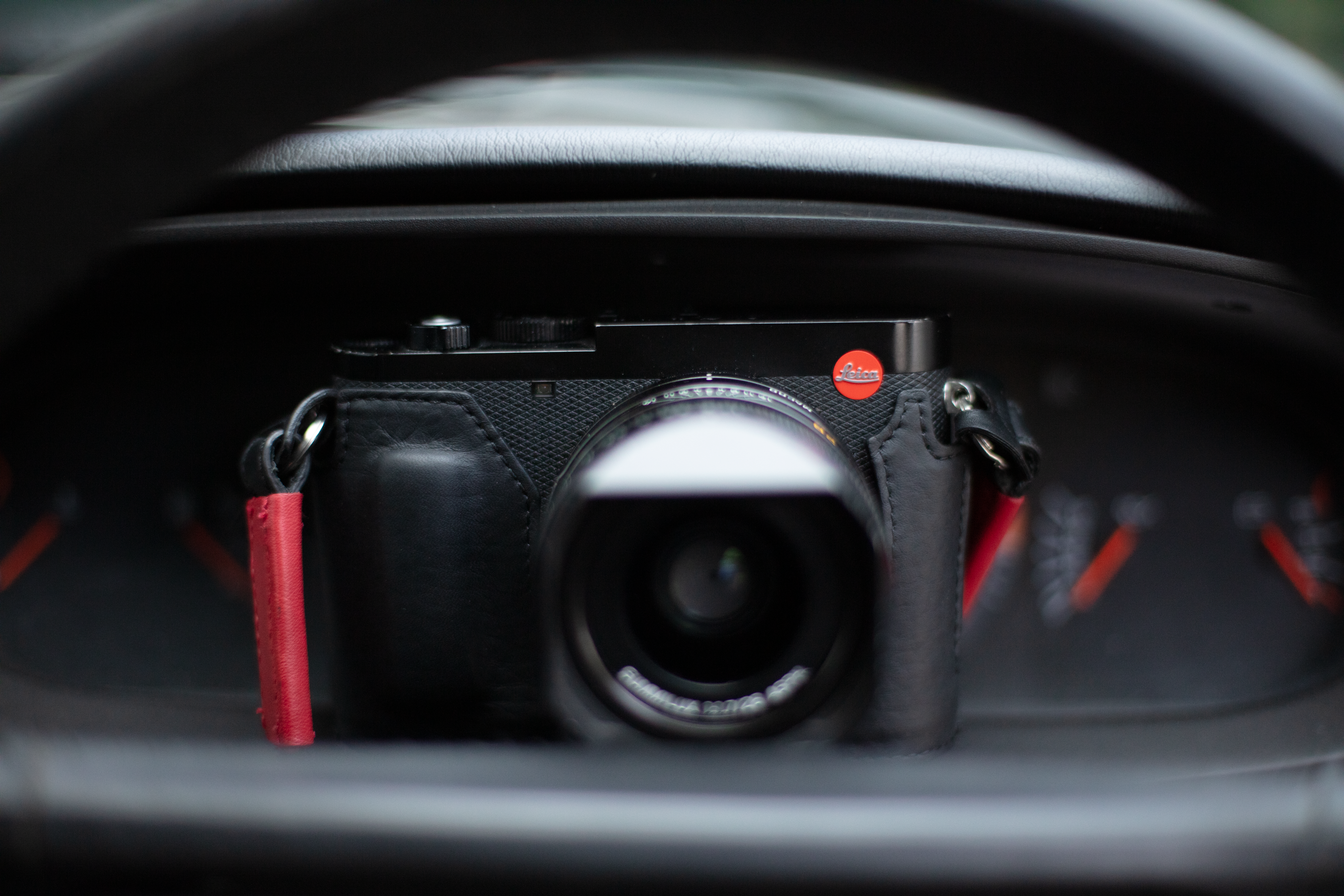
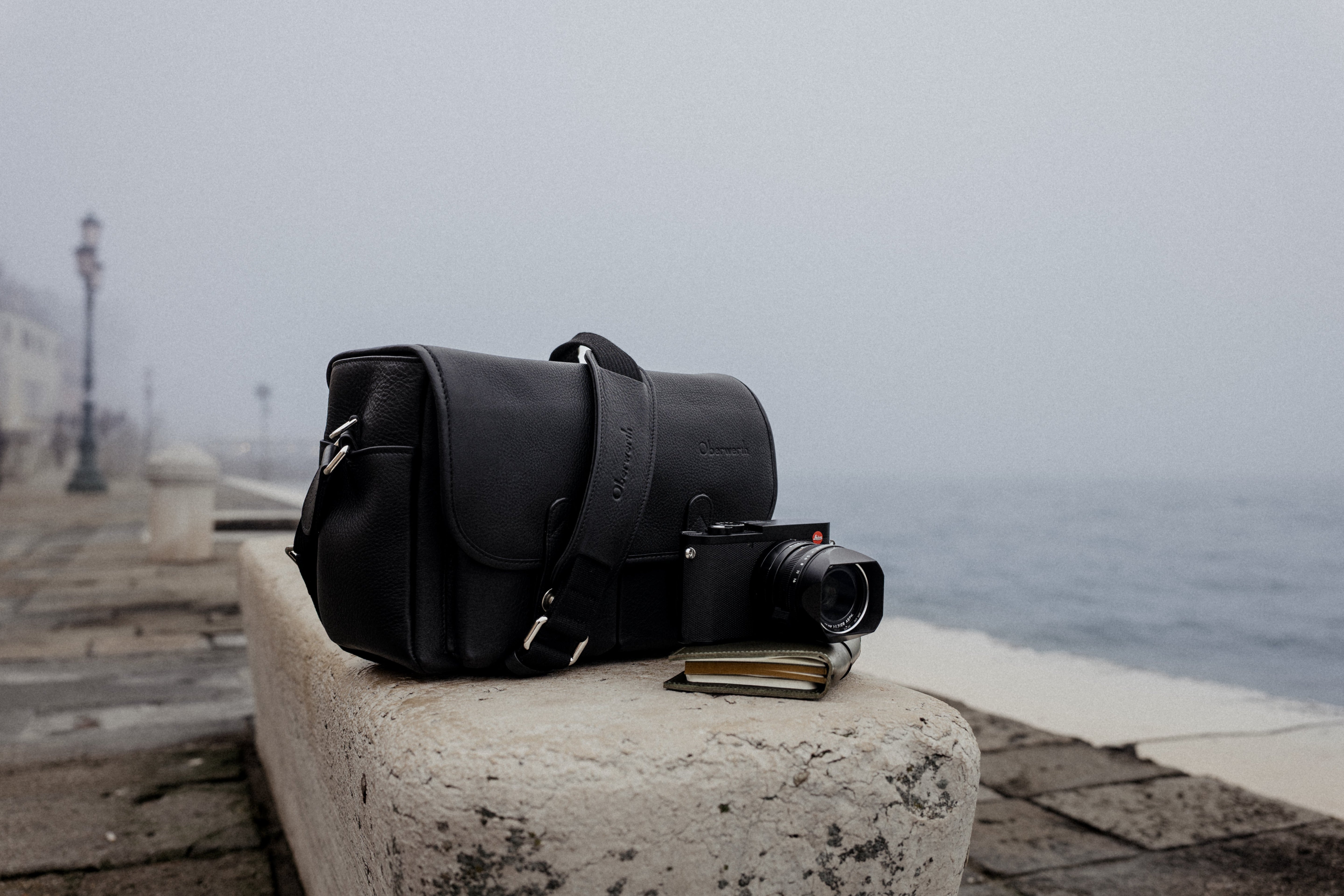
The Q3 is at the top of Leica's compact lineup for good reason. A 60.3-megapixel full-frame sensor paired with a 28mm f/1.7 fixed focal length produces images that are simply in a different league - resolution, bokeh quality and low-light performance all at their peak. If your answer to "What do you expect from a camera?" is "everything, and no compromises", then this conversation ends right here. Built-in image stabilization and weather sealing ensure that it holds its own in real-world use, not just under controlled conditions. It costs accordingly - but it also delivers accordingly. Best suited for: Photographers who put image quality above all else, want to use the camera for years and won't accept any compromises. If you carry the Q3 with you every day, it deserves a bag that does it justice. The Q Bag® from Oberwerth is precisely tailored to the dimensions of the Q3, easy to remove, protective in design and worthy of the camera it contains.
#2 - The everyday companion | Leica D-Lux 8
The D-Lux 8 is the most balanced camera in Leica's compact range. A Micro-Four-Thirds sensor, a Leica-developed 24-75mm (equivalent) Vario-Summilux zoom lens and a body that's one size smaller than the Q3 - it slips into your pocket without you realizing it's there until you need it. The zoom range masters everything from street photography to family moments without the need to change lenses or carry a second body. The operation is intuitive enough to work as a first Leica, and rewarding enough that experienced photographers won't feel short-changed. Best for: everyday use, anyone who wants zoom flexibility, and first-time Leica buyers. An Everready case made exactly for the D-Lux 8 is in preparation at Oberwerth. Express your interest here to be at the forefront of the launch.
#3 - The travel all-rounder | Leica V-Lux 5
The V-Lux 5 occupies an unusual position in Leica's lineup: a 16x optical zoom in a body that still looks unmistakably Leica. Landscapes, wildlife, sports - it covers a range of focal lengths that would otherwise require a bag full of lenses. The 1-inch sensor means it can't match the Q3 or D-Lux 8 for sheer image quality, but that's not what it's made for. If you need a camera that can cover everything on a two-week trip, the V-Lux 5 is the one to pack. Strong image stabilization and solid video capabilities make it even more versatile. Best suited for: Travelers, outdoor photographers, anyone who regularly shoots subjects from a distance.
#4 - The one you wear for love | Leica C-Lux
A 15x zoom in a truly compact body - the C-Lux is the entry-level camera for anyone who wants to weave the Leica experience into their everyday life, without the price of the Q3 or its more demanding dimensions. The classic silver and black finish looks at home in a café or a cobbled side street in a way that decidedly "camera-like" cameras do not. Choose this one with your eyes as well as your mind. Best for: design-conscious shoppers, casual everyday snapshots, anyone diving into the world of Leica for the first time.
#5 - The smart buy | Leica D-Lux 7 (used market)
The D-Lux 7 is the predecessor of the D-Lux 8, and the second-hand market has brought it to a price level that is difficult to argue against. The basic sensor and lens design is essentially identical between the two generations - the difference in image quality is minimal in practical use. For those who want to find out what Leica is all about without committing to the price of a current model, or who simply want to spend less and still get the original, the D-Lux 7 is the most sensible entry point on the used market. Best suited for: price-conscious buyers, curious first-time buyers, anyone who wants genuine Leica quality without paying new prices. Anyone making the smart second-hand purchase should invest some of the money saved in proper protection.
The Albert (D-Lux) from Oberwerth was specially developed for the Leica D-Lux and encloses the D-Lux 7, as well as the D-Lux 8 - like a second skin: softly padded, with invisible magnetic fasteners for a quick grip and a secure fit even with the half case attached. So your clever find stays protected for years.
Quick overview | The best Leica compact camera by purpose
| Intended use | Recommended model | Why |
|---|---|---|
| Street & everyday life | Leica Q3 / D-Lux 8 | Fixed focal length character or versatile zoom in a pocketable housing |
| Travel & Outdoor | Leica V-Lux 5 | 16x zoom, strong stabilization, all-in-one coverage |
| Portraits & cropping | Leica Q3 | Full-frame sensor + f/1.7 - bokeh at its best |
| Daily use & first Leica | Leica D-Lux 8 | Intuitive operation, right size, right balance |
| Best price-performance ratio (second-hand) | Leica D-Lux 7 | Stable used prices, picture quality almost identical to the current generation |
Once you've chosen your camera, the next question is how to carry it. Oberwerth's complete range of Leica-compatible camera bags covers every model and style of photographer, from slim shoulder bags like the Sling Bag Pure to structured messenger bags like the William. The right bag makes it more likely that you'll take your camera with you. And a camera you take with you is a camera that will be used.

Buying a used Leica compact camera | What you should check before you buy
Condition of sensor and housing: Do not skip this step
The most common regret among buyers of used Leicas can be traced back to one thing: Overlooking sensor dust or damage at the time of purchase. Before handing over any money, take a test shot against a plain, evenly lit surface - a white wall or open sky works well - and check the resulting image carefully for dark spots or specks. With the lens, hold it up to a light source and look through it: Any haze, fungus or internal cloudiness will show up clearly. These tests take five minutes. Skipping them can cost significantly more.
Accessories and warranty: The true costs are not always in the offer price
The charger, spare battery and carrying strap may seem like minor items - until you buy them individually and realize how quickly the total adds up. Always check what is included before comparing prices of different offers. The remaining warranty cover also counts. A case sold without it has a different risk profile to one that is still protected. A low asking price without a warranty is not necessarily a bargain.
Know the market before you negotiate
Leica holds its value. Demand is steady, which means used prices stay high - and sellers know it. Before approaching an offer, check current prices at a reputable camera dealer or on a comparison site like Kakaku.com to find out what "fair" actually means for the model you want. Private marketplace apps can occasionally unearth real bargains, but come with a real risk: most operate with no return policy and no recourse. Think of them as an avenue for experienced buyers who know exactly what they're looking at - not as an obvious starting point.
Frequently asked questions
Q: What's the smartest way to choose a Leica compact camera without making a mistake?
Work backwards from what you actually photograph. Use sensor size, speed, portability, handling and price as your five filters - in that order of priority. The most common mistake is to start with price before the intended use is clear.
Q: Which model is best suited for someone buying their first Leica?
The D-Lux 8's zoom range ensures you won't miss any shots while you're still finding your way around, and its operation is intuitive without being simplistic. If budget is a constraint, a clean used D-Lux 7 from a reputable dealer will get you into the same optical and sensory DNA for less money.
Q: New or used - which is the better decision?
If you're buying for the long term and want complete peace of mind, go for new. If you want to experience Leica before you make such a commitment - or if you're working with a tighter budget - a well-maintained used body from a specialty camera store is the practical middle ground. Private marketplaces are best left to buyers who already know what they're doing.
Final thought | Start with what you are photographing - and the choice will make itself
The argument for a Leica compact camera has never simply been that it costs more. It's that the camera - when it suits your way of shooting - stops feeling like a piece of equipment and starts feeling like an extension of your vision. Street photography demands something lightweight that can be pulled quickly. Travel requires focal range and versatility. Portraits reward a full-frame sensor and a fast fixed focal length. And none of this matters if the camera is too big or too heavy to take with you on a regular Tuesday. Work through these questions in order and the right model will become obvious. Most post-purchase regrets don't stem from choosing the wrong specs - they stem from choosing a camera built for someone else's photography style. Use the five criteria in this guide, be honest about how and where you actually shoot, and find the one that suits you.