
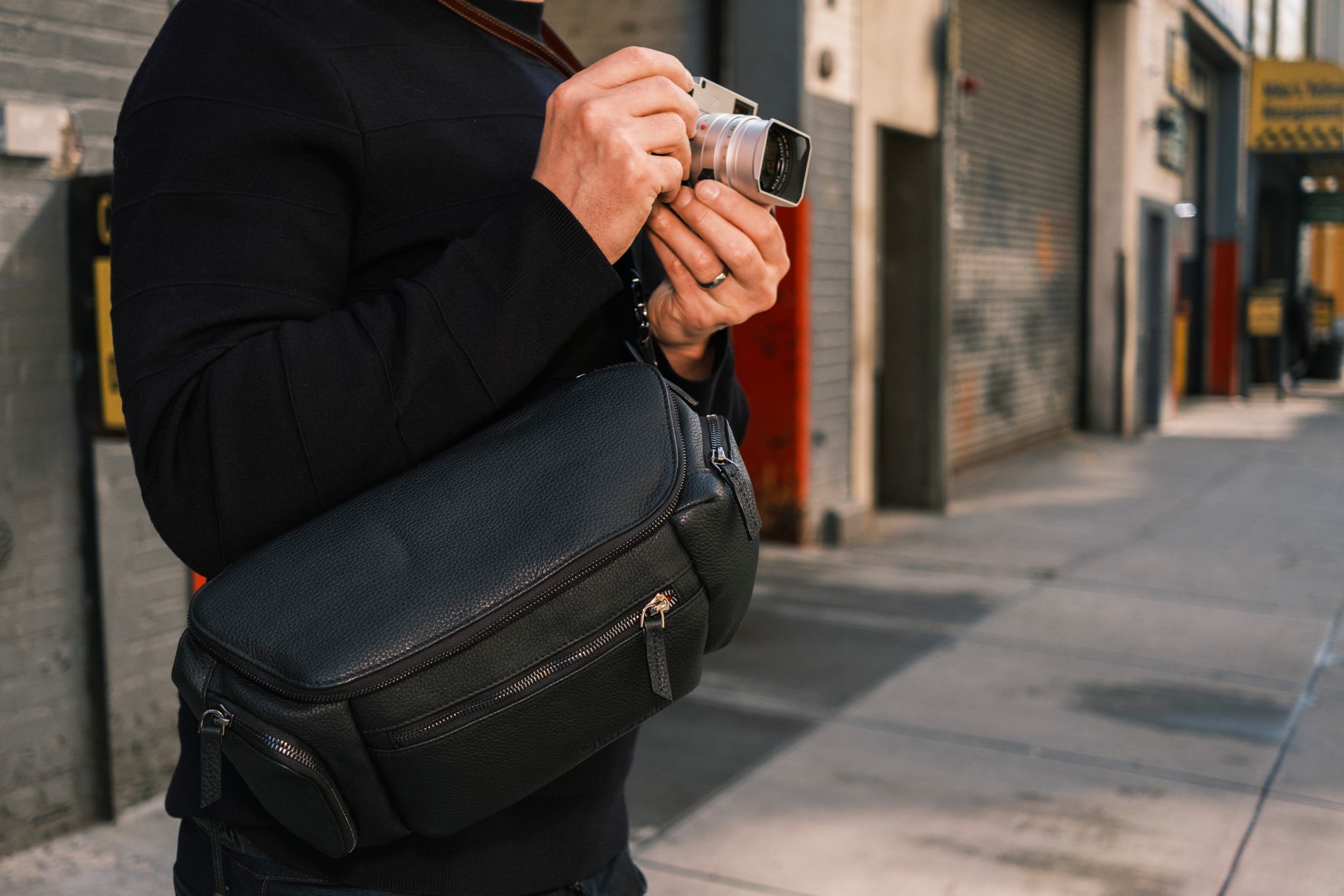
Camera Sling Bag Guide2026
The perfect sling bag for your photography style
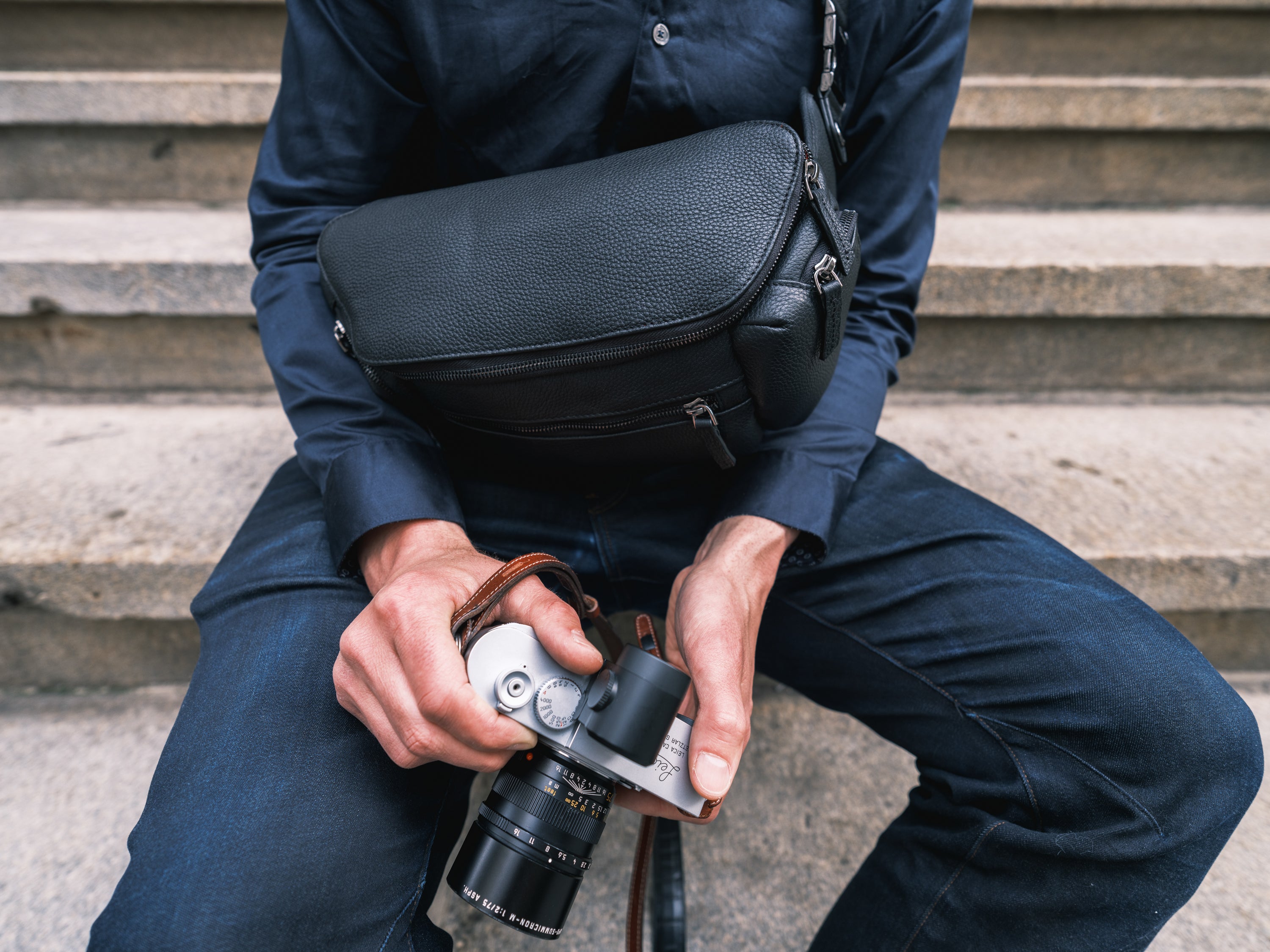
The camera sling bag has become the first choice for photographers who value quick access and mobility. Whether you're shooting street photography in Berlin or capturing landscapes in the Alps, the right sling bag will keep your equipment safe and ready to hand. In this comprehensive guide, we'll help you find the perfect camera sling bag based on your equipment, photography style and quality requirements.
What this guide covers
1. what is a camera sling bag?
2. sling bag vs. other camera bags
3. How to choose the right camera sling bag
4. Sling bags by camera system
5. Sling bags by photography style
6. Material guide: Why leather sling bags are convincing
7. Size & fit guide
8. Top Oberwerth sling bag recommendations
9. Frequently asked questions
What is a camera sling bag?
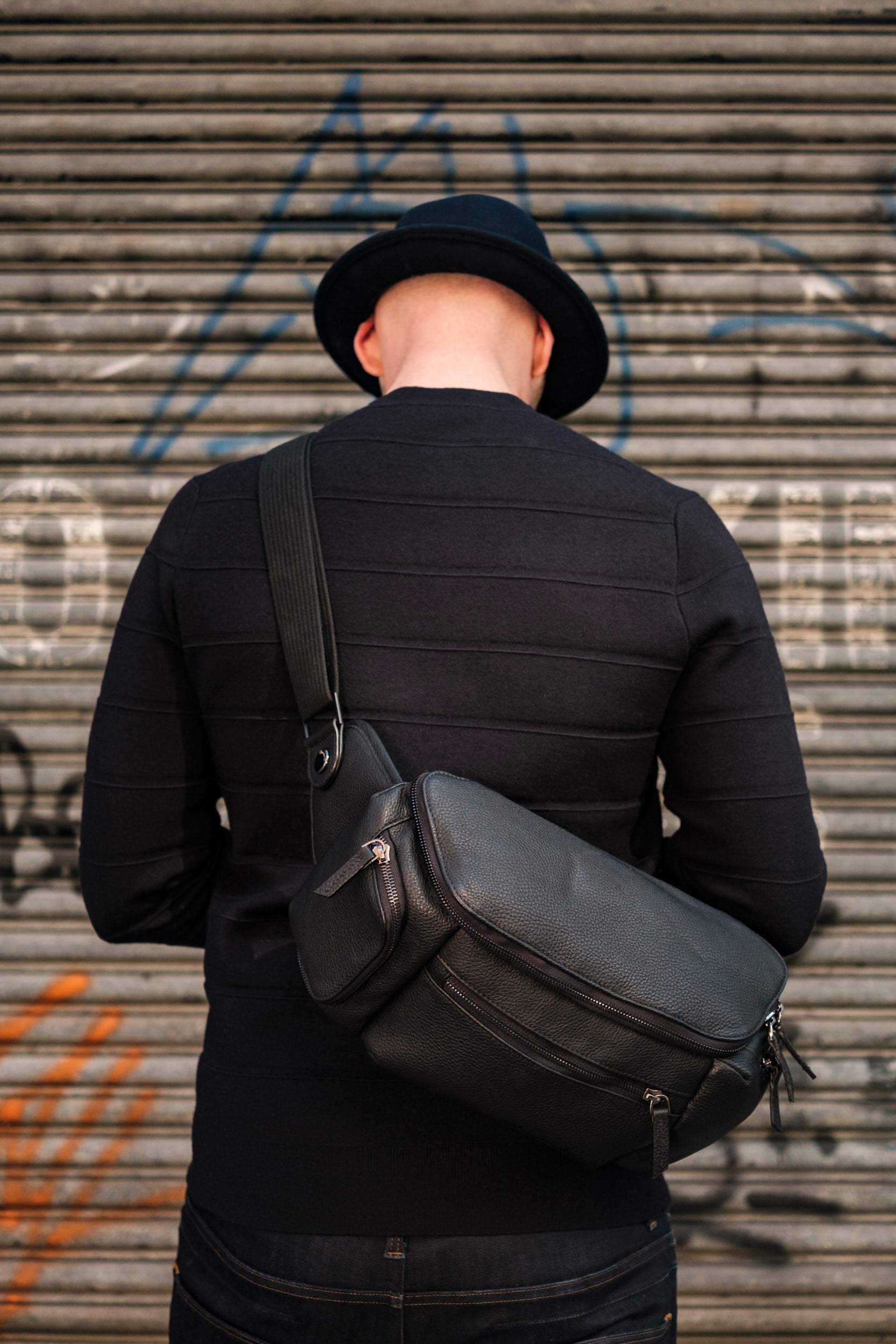
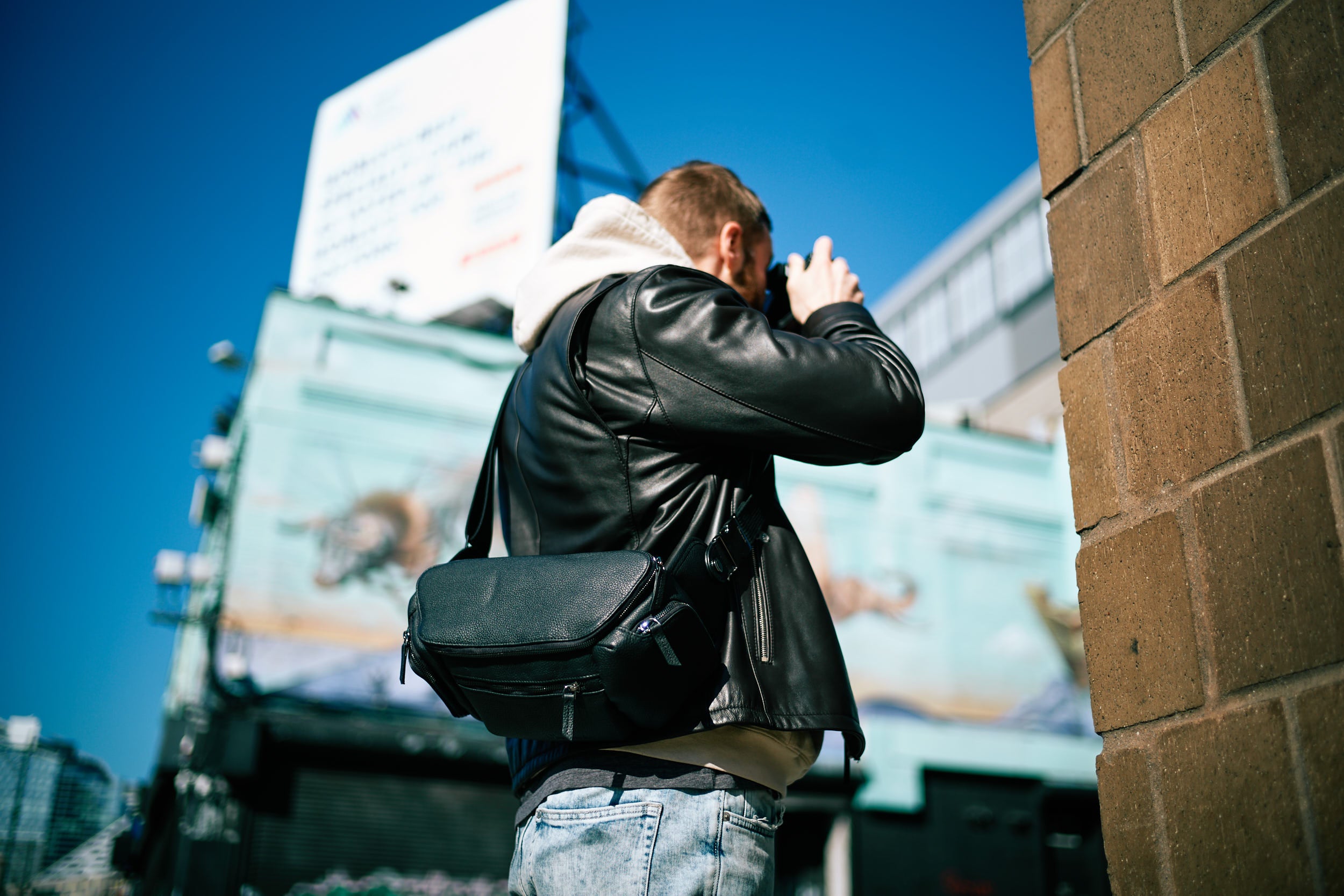
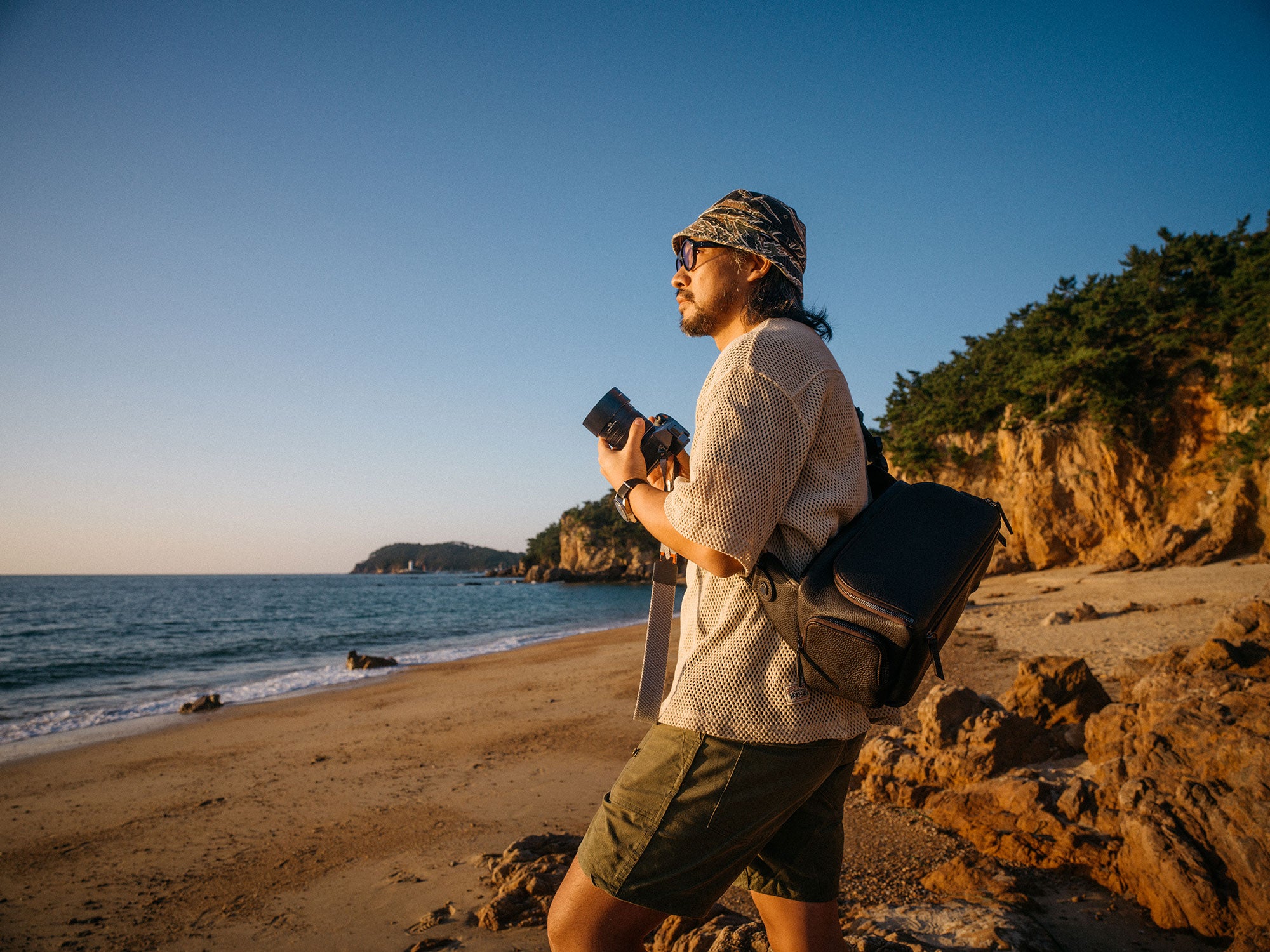
A camera sling bag is a single-strap bag designed specifically for photographers who need quick, unobstructed access to their gear. Unlike traditional camera backpacks that need to be removed for access, a sling bag swings from your back to your chest in one fluid motion, giving you instant access to your camera without missing the decisive moment.
The distinguishing feature of a camera sling bag is its cross-body design. The single strap runs diagonally across your torso, distributing the weight evenly while keeping the bag securely on your body. This design originated in military and tactical applications, but has been refined for photographers who need mobility and speed.
Key features of camera sling bags
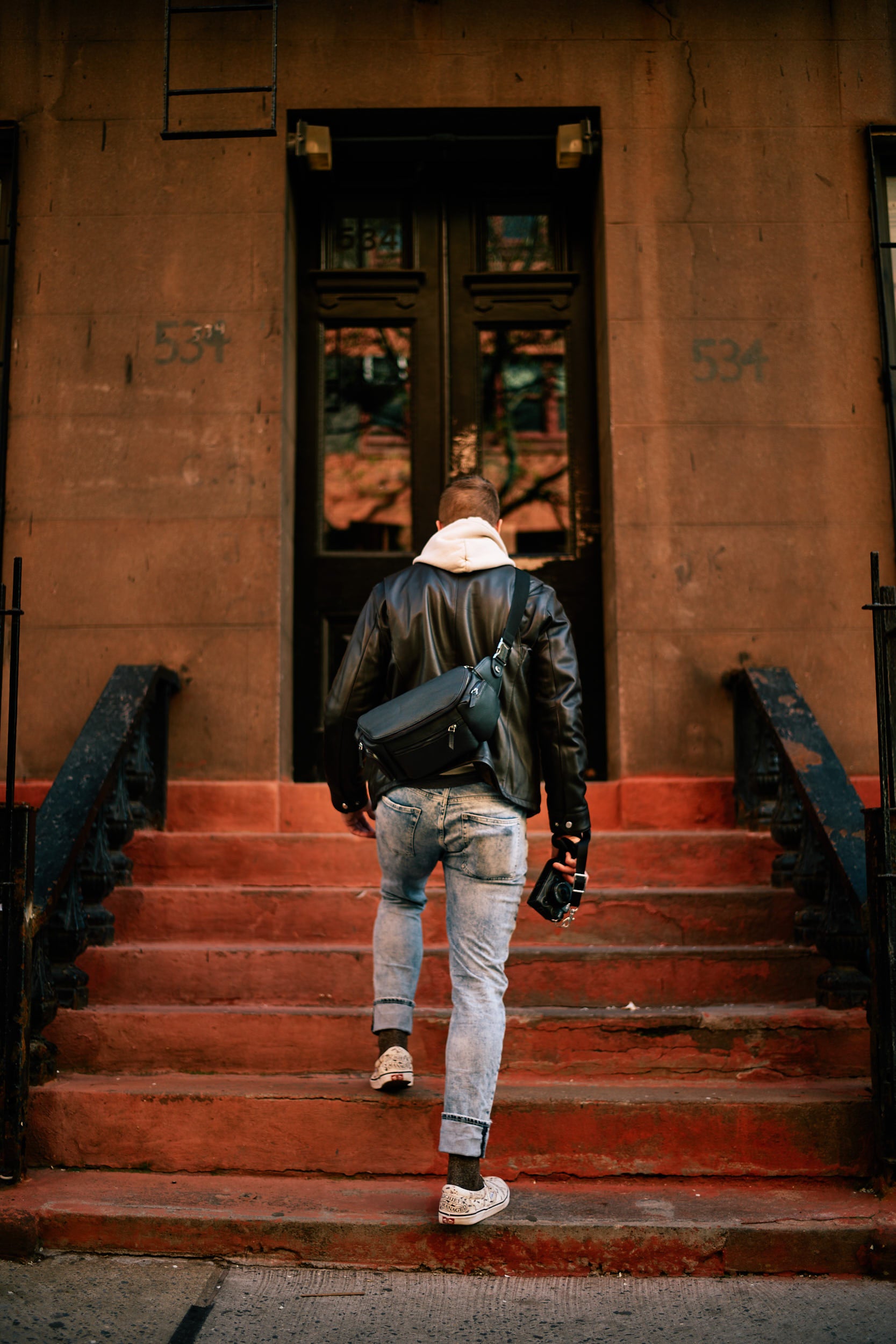
Single cross-body strap: Worn diagonally across the chest for secure, balanced carrying comfort
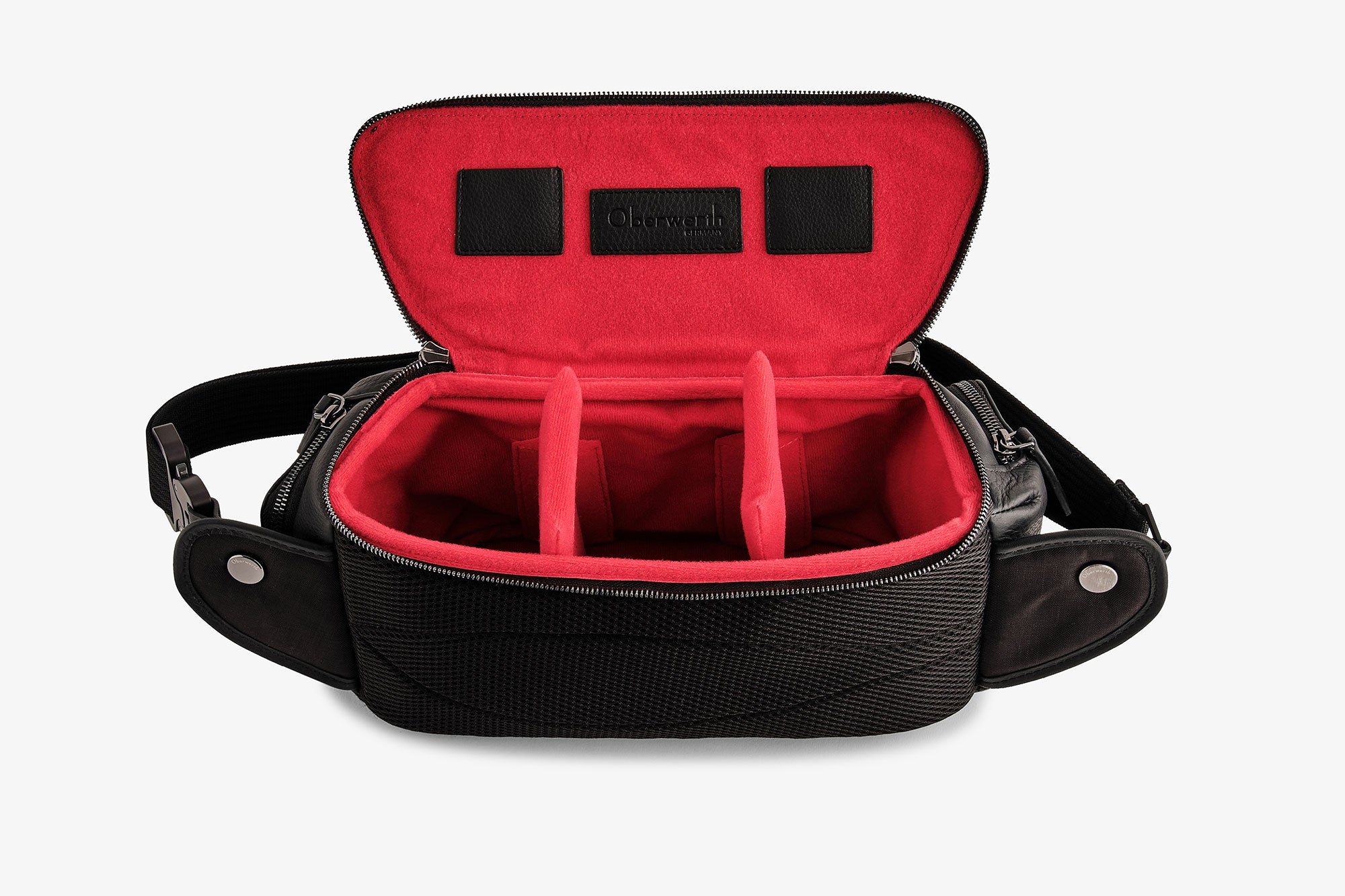
The practical swivel access allows the bag to be turned from the back to the front without removing it, providing quick access in any situation. Despite its compact profile, it typically holds a camera with one to three lenses, while a padded inner compartment with customizable dividers reliably protects your equipment. Quick-release fasteners also ensure that you are immediately ready at the crucial moment.
Who is a camera sling bag suitable for?
Camera sling bags are ideal for photographers who prioritize mobility and quick access over maximum capacity. They excel in situations where you need to move quickly, remain inconspicuous or access your camera frequently. Street photographers, travel photographers and event photographers especially benefit from the unique advantages of the sling bag.
If you typically carry a mirrorless camera with 2-3 lenses and some accessories, a sling bag offers the perfect balance of capacity and comfort. For larger equipment or longer shoots with more gear, consider combining a sling bag with a larger messenger bag or camera backpack.
Camera sling bag vs. backpack
The choice between a sling bag and other camera bags depends on your specific needs. Each type offers different benefits, and understanding these differences will help you make the right decision for your photography workflow.
| Feature | Sling bag | Backpack |
|---|---|---|
| Access speed | Immediately (swivel movement) | Slow (must be removed) |
| Capacity | 1 camera + 2-3 lenses | 2+ cameras + 5-8lenses |
| Comfort (long wear) | Good for 2-4 hours | Excellent for all-day |
| Mobility | Excellent | Good |
| Ideal for | Street, Travel, Events | Hiking, studio, heavy equipment |
Camera sling bag vs. messenger bag
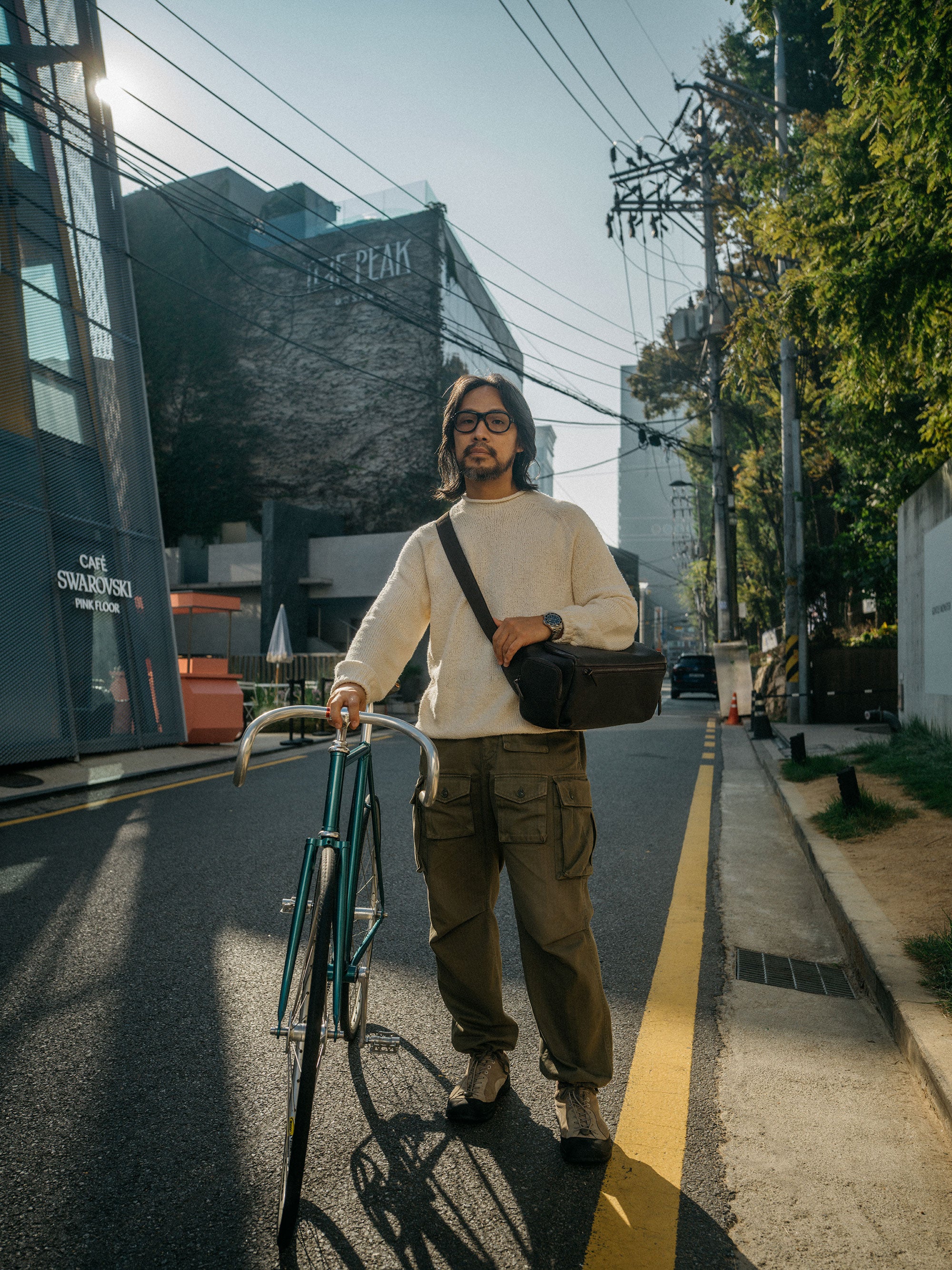
Both sling bags and messenger bags offer quick access, but differ significantly in their feel and appearance. Messenger bags are traditionally worn over one shoulder and hang at the side of the body, while sling bags run diagonally across the upper body and rest against the back when not in use.
Sling bags distribute the weight more evenly across the upper body and fit close to the body, which makes them stable and comfortable, especially during active movement. Messenger bags, on the other hand, concentrate the weight more on one shoulder and protrude sideways from the hips, making them more likely to swing when moving quickly. In turn, they often appear more formal and business-like, while sling bags give a sportier, more modern impression.
Camera sling bag vs. shoulder bag
The terms are often used interchangeably, but differ in construction: true sling bags have a single, diagonal strap that crosses the body, while shoulder bags are classically worn with a strap on one shoulder. This cross-body design means that sling bags offer significantly greater stability, a decisive advantage when moving quickly through crowds or negotiating uneven terrain.
For photographers who want to combine a professional look with quick access, our leather camera bags combine the functionality of a sling bag with a refined, high-quality aesthetic that also impresses in business or demanding event situations.


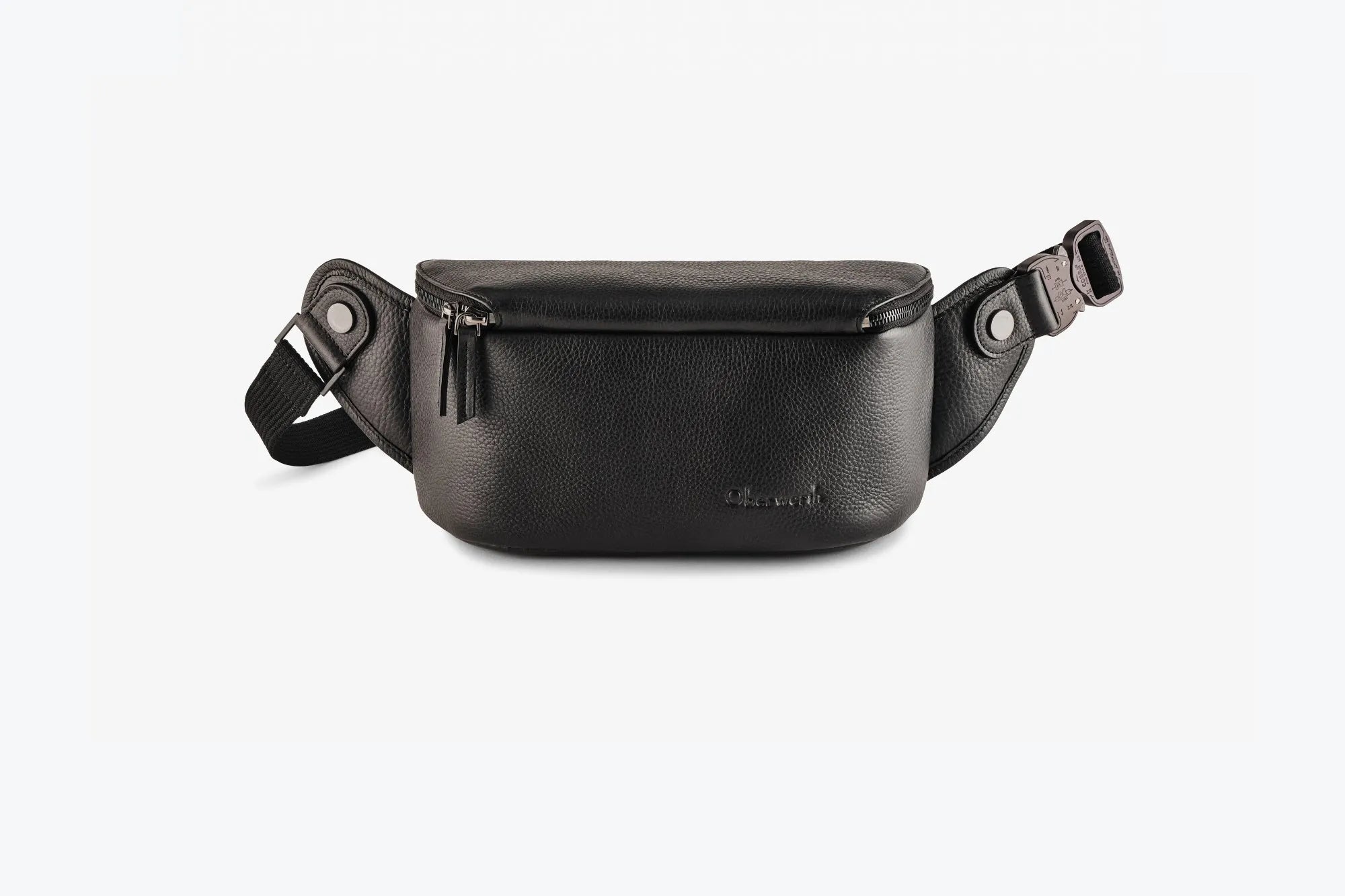
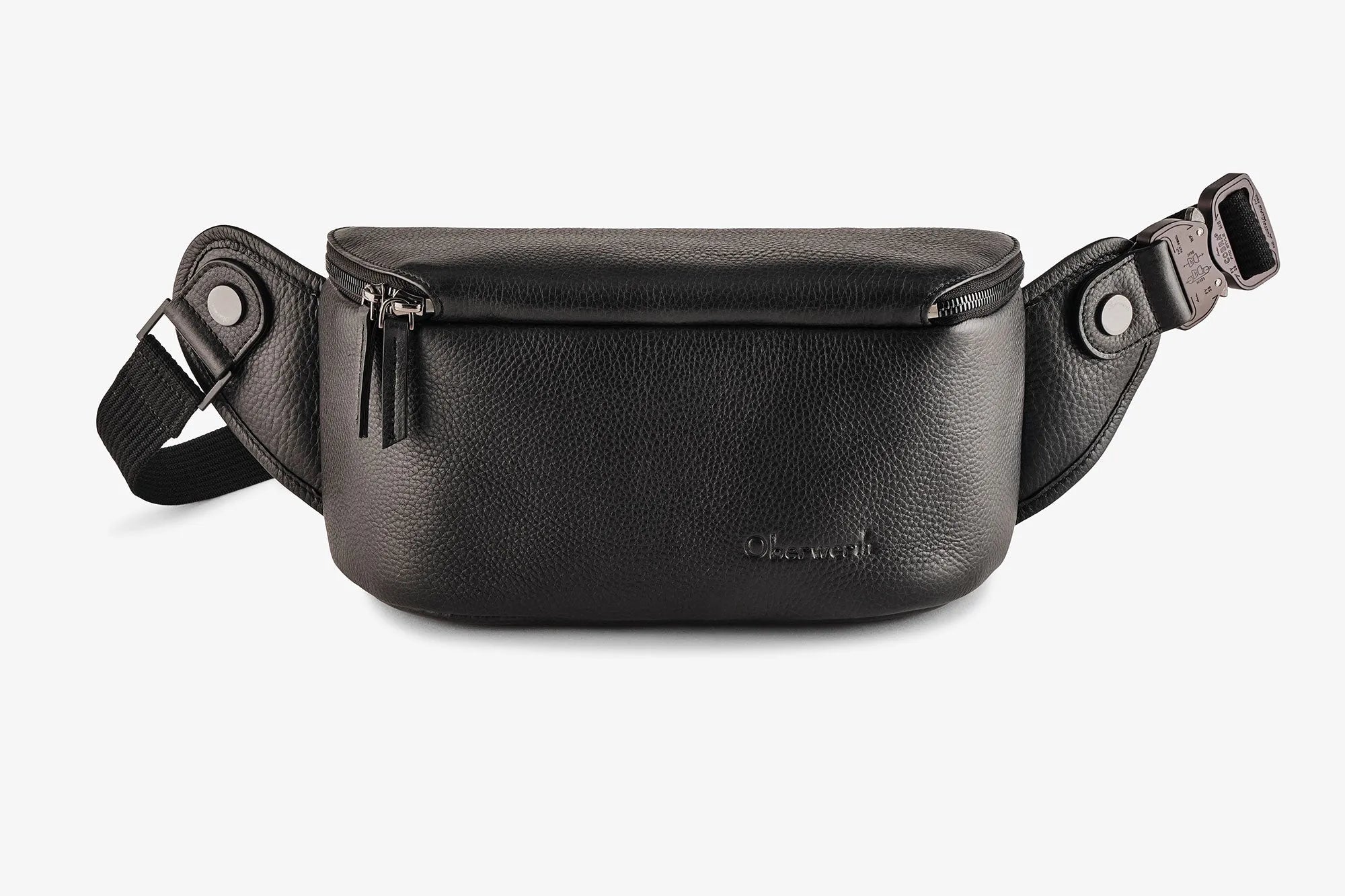
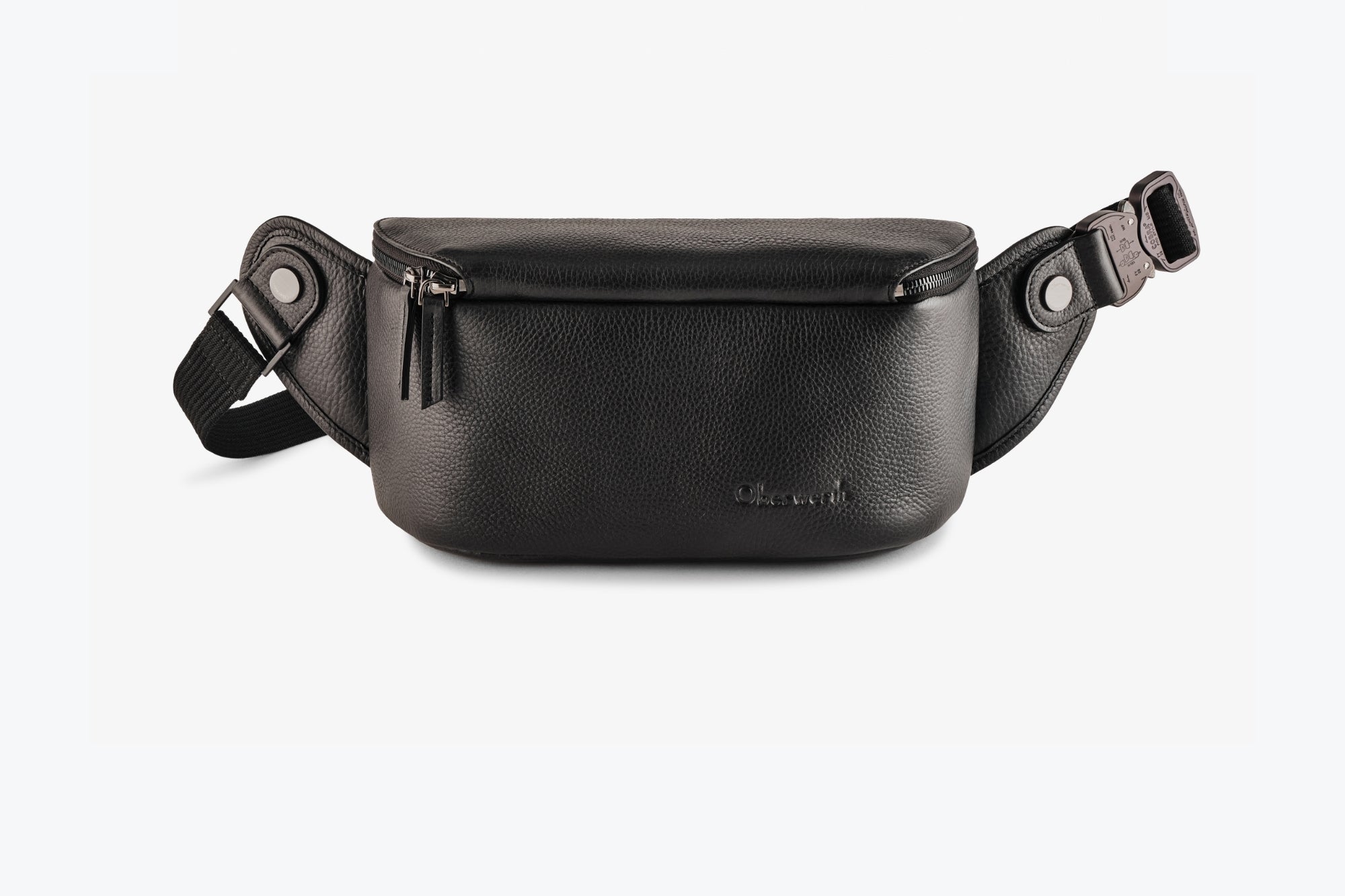
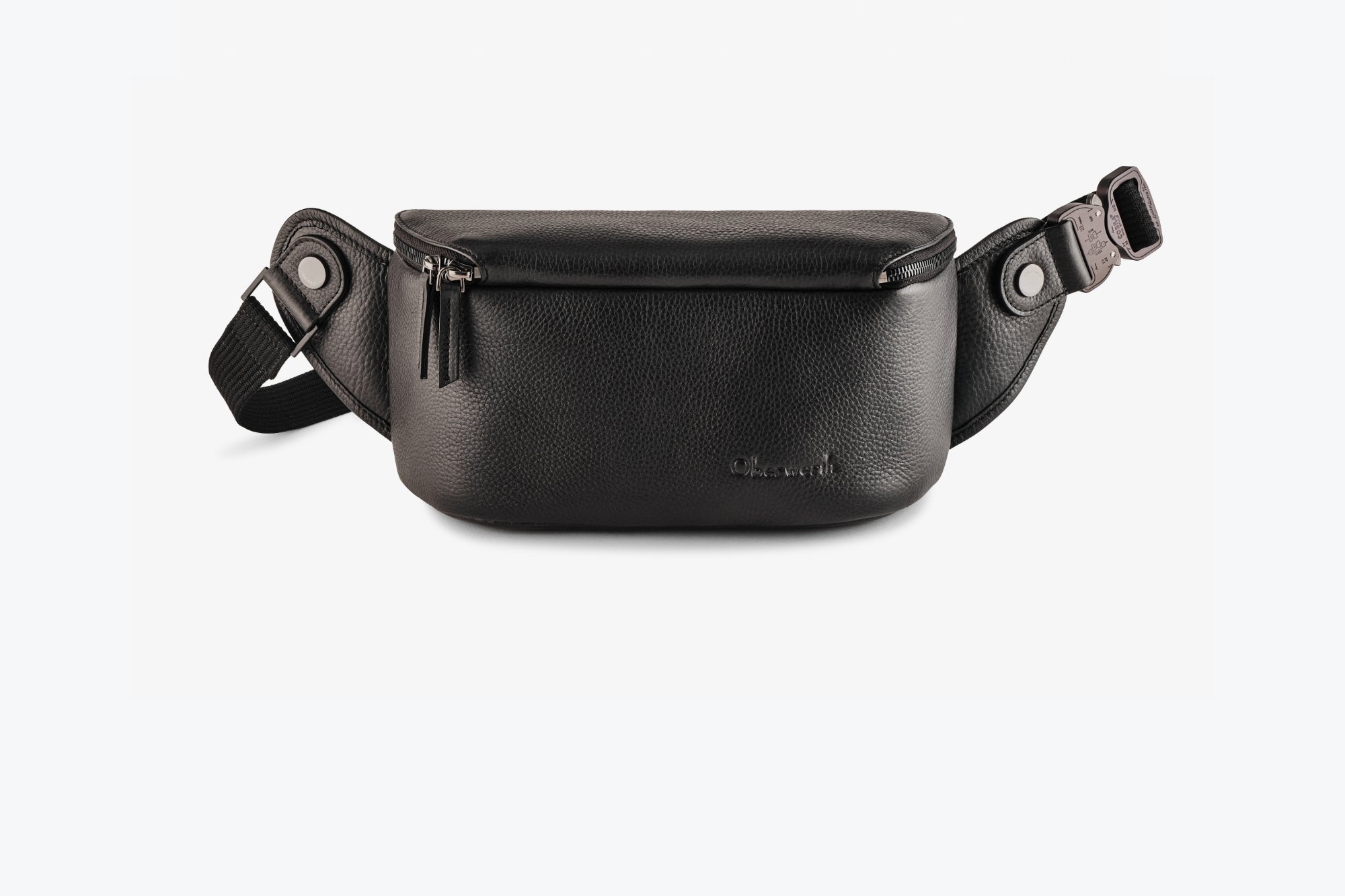
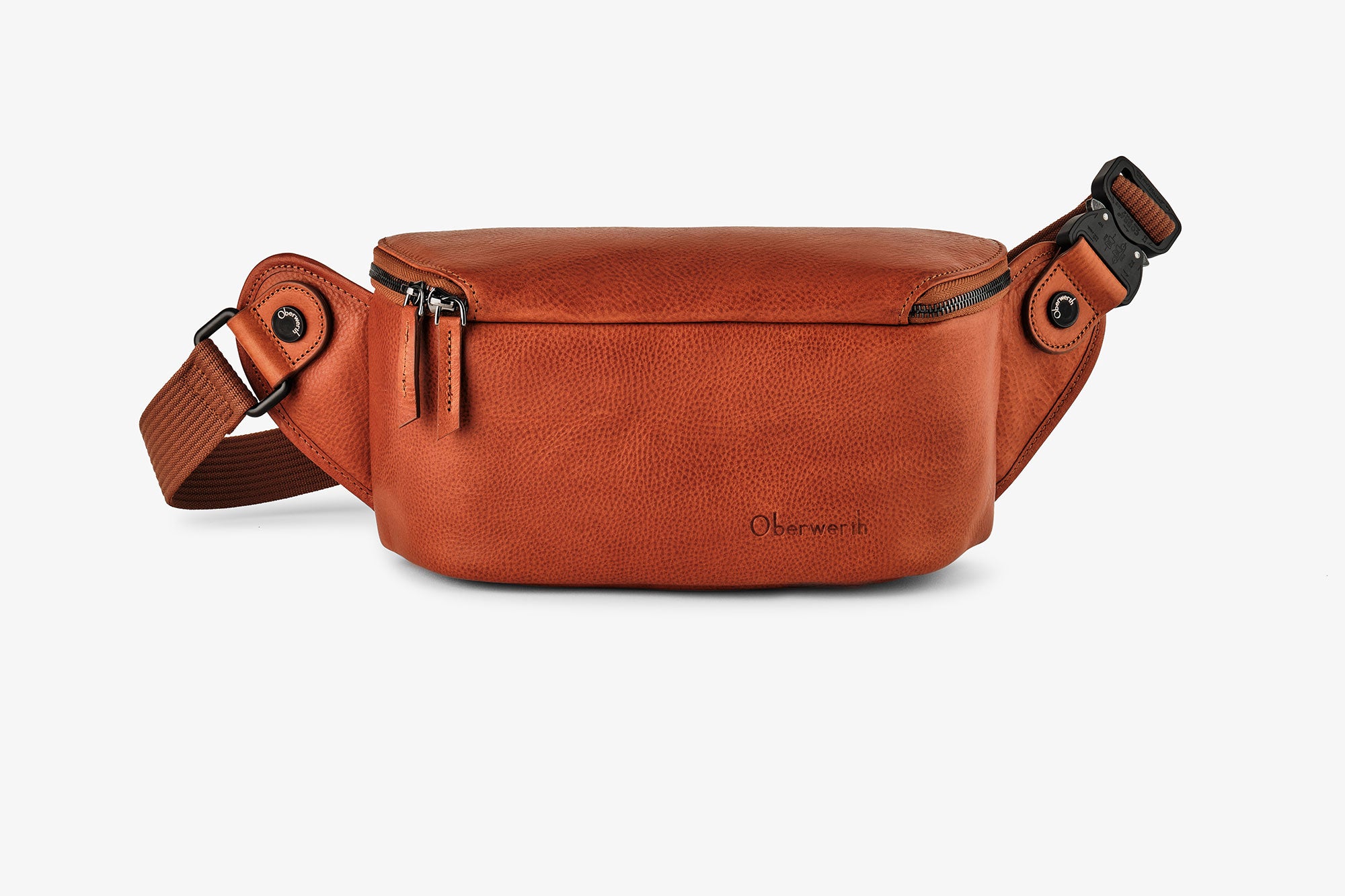
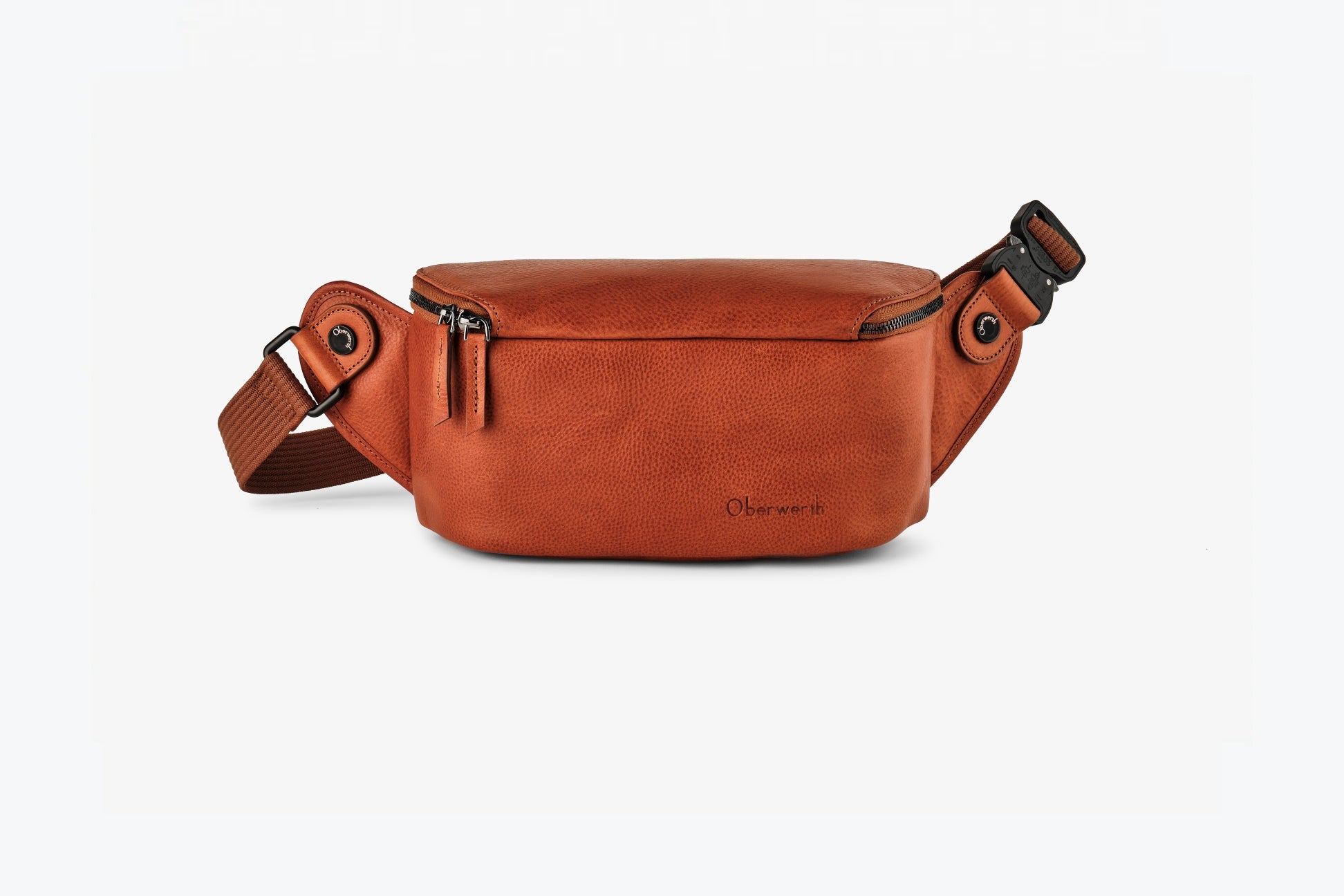
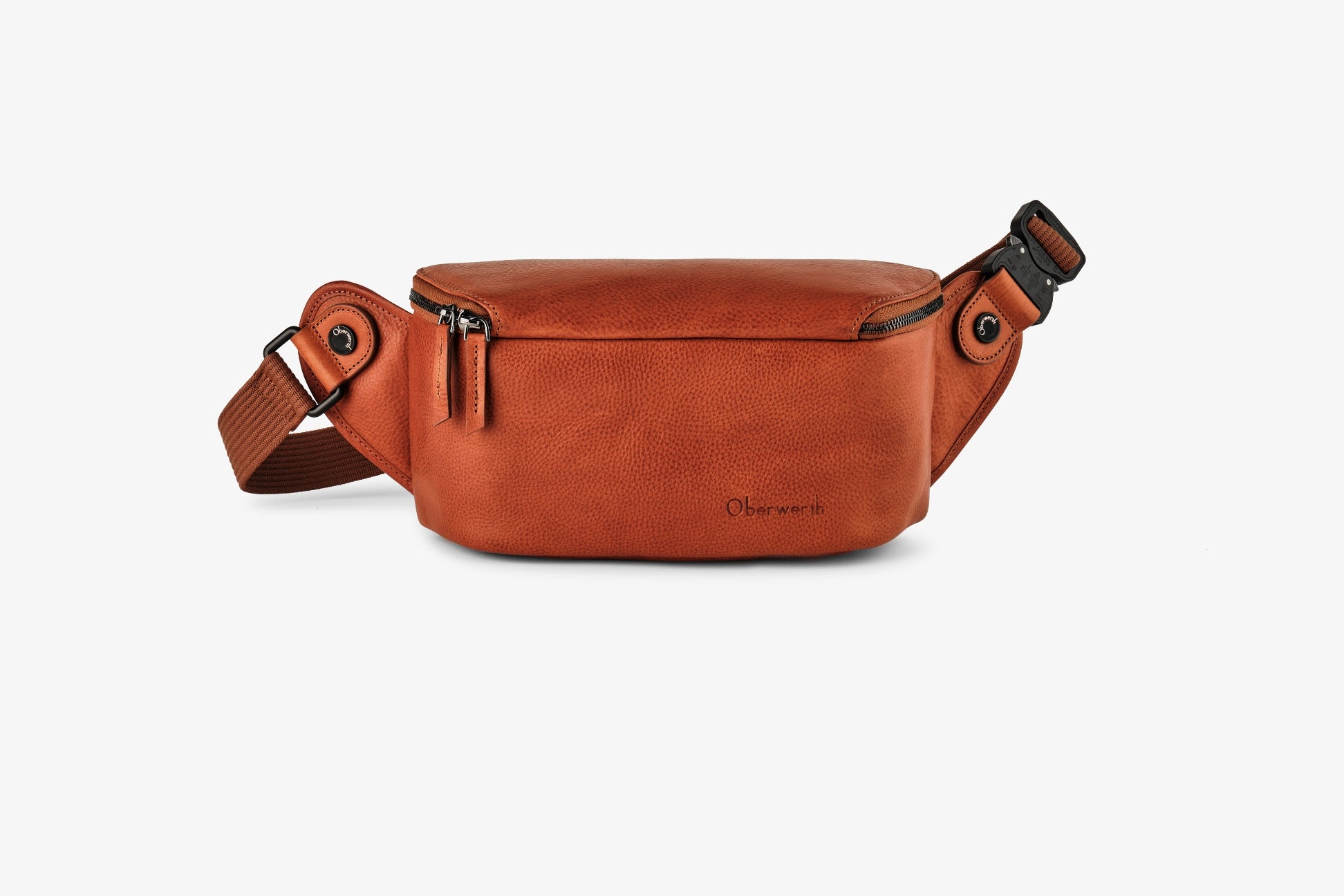
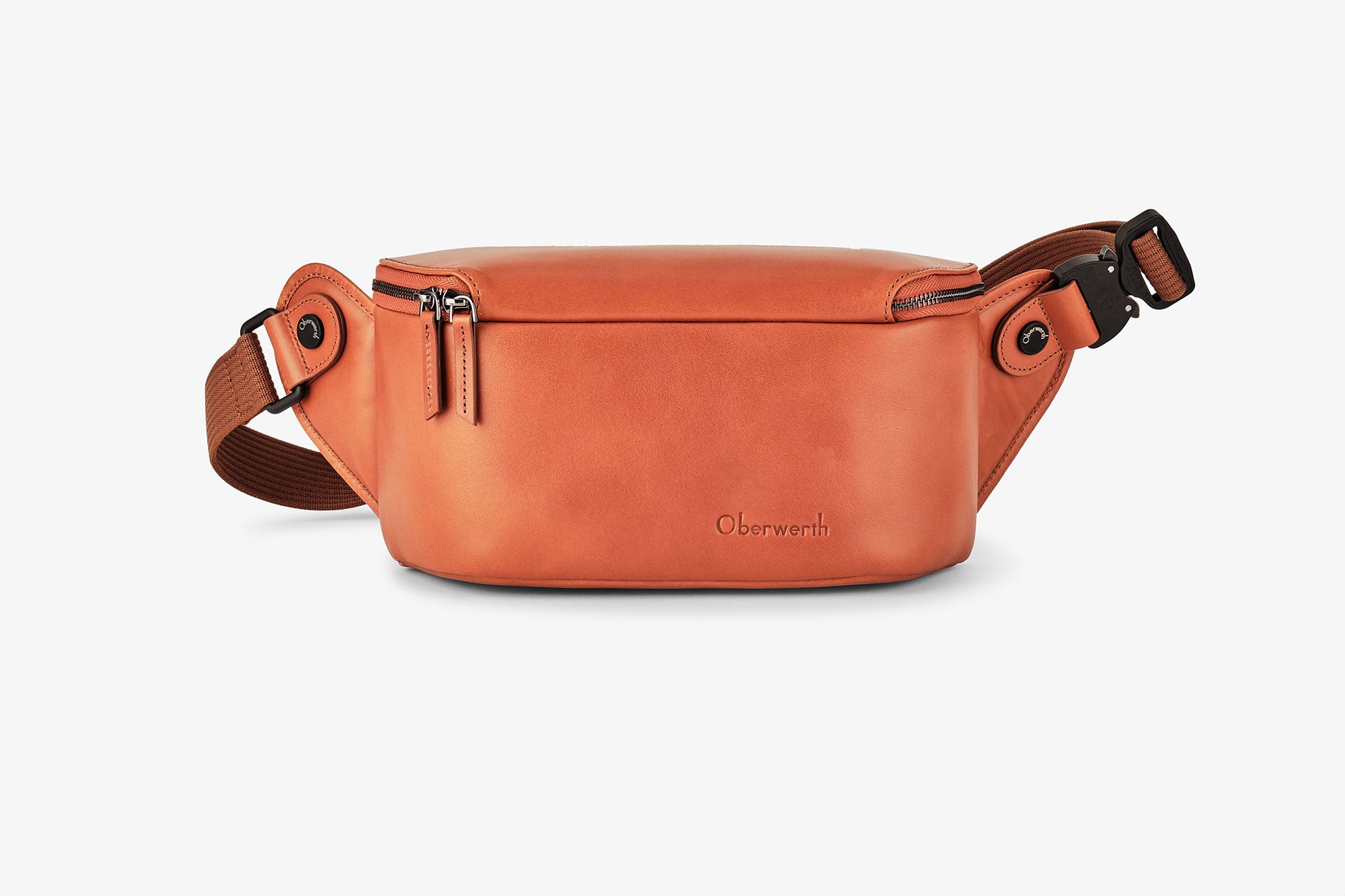
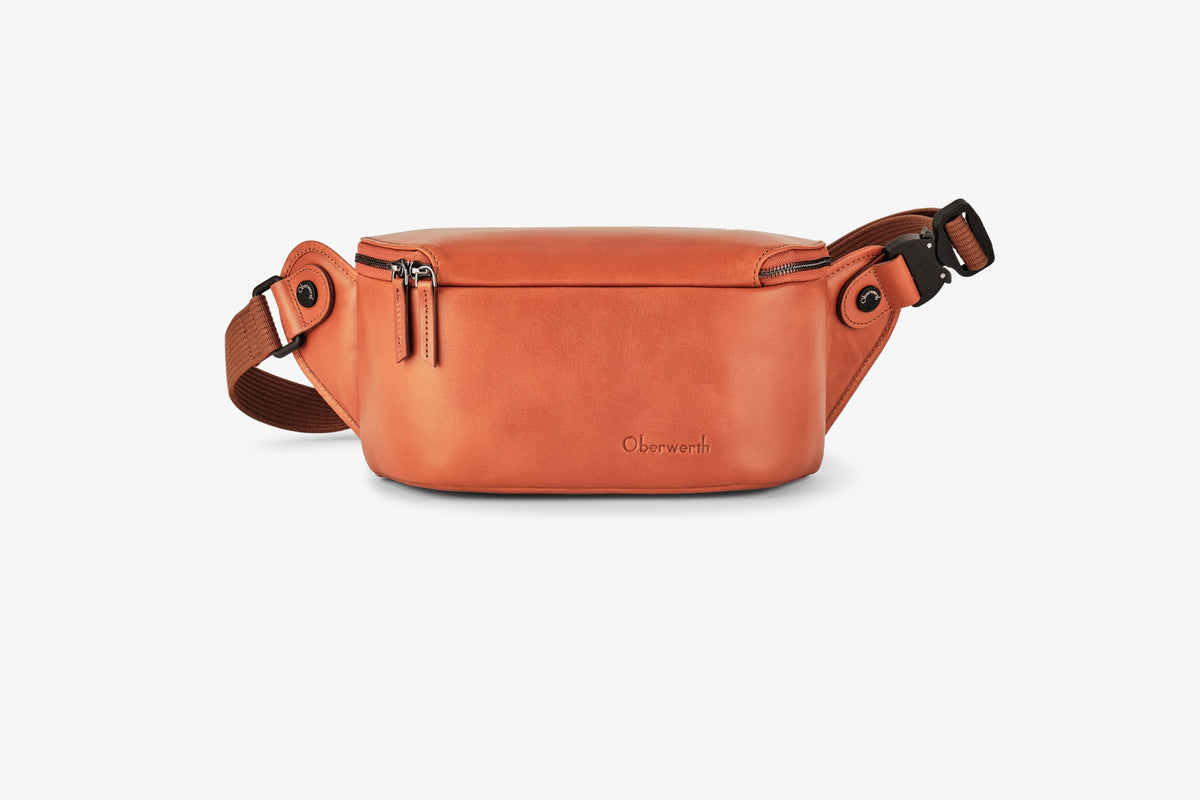
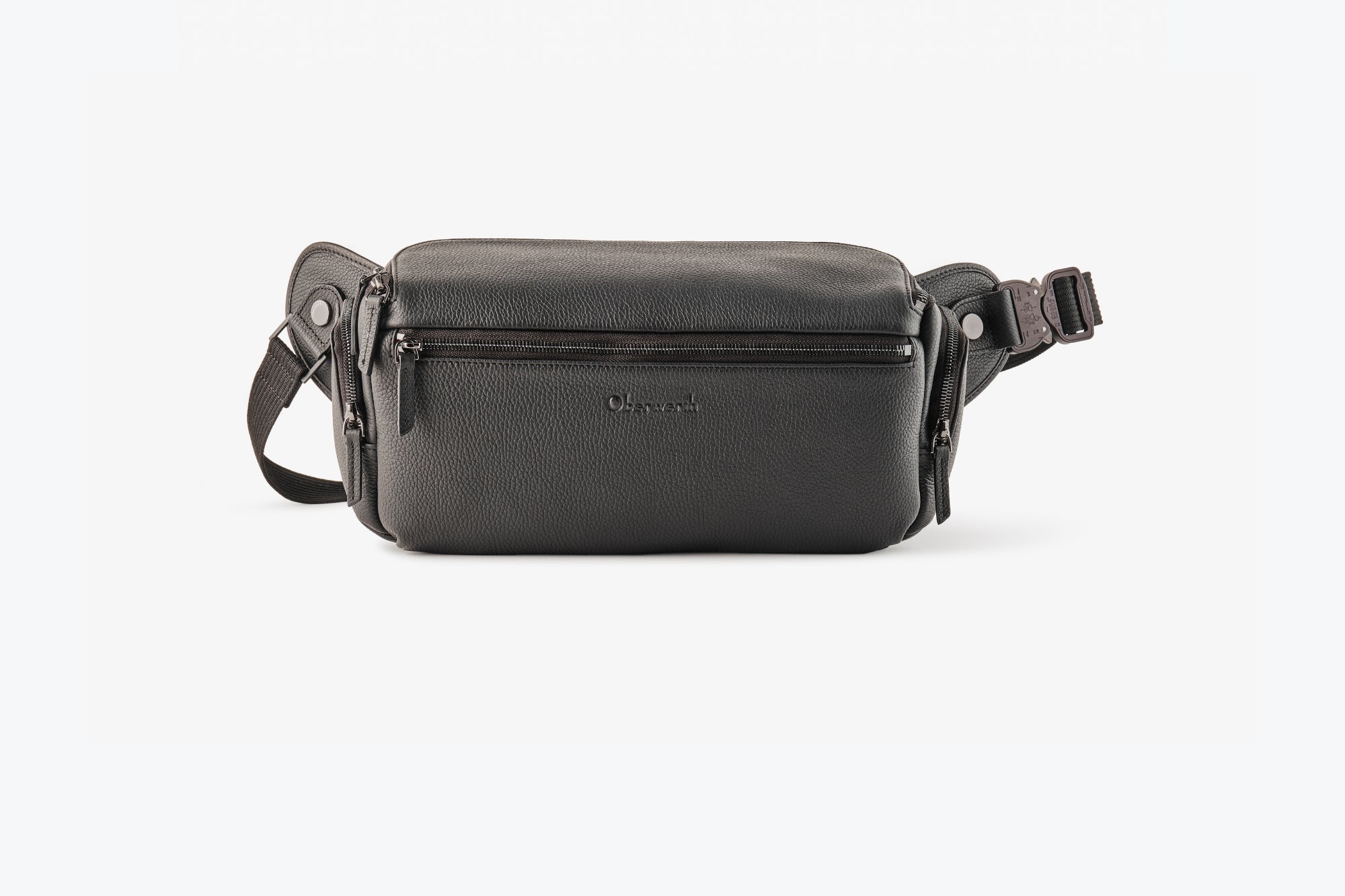
Sling Bag Pure
Full grain / BlackDimensionen
B
30H
15T
12Material
Choose options


How to choose the right camera sling bag
Choosing the perfect camera sling bag
requires an assessment of your equipment, your photography style and your
quality requirements.
Step 1: Evaluate your equipment
Start by taking stock of what you actually take with you on a typical shoot. Be honest when differentiating between essentials and nice-to-haves.
The choice of the right bag depends largely on the size of your camera body: compact mirrorless cameras such as Fujifilm X100VI or Sony A7C fit ideally in the smallest slings, while medium-sized slings offer the best balance for standard models such as Sony A7IV, Canon R6 or Nikon Z6. For professional mirrorless cameras or DSLRs such as the Canon R5, Nikon Z8 or Canon 5D, a larger sling or backpack is recommended. Leica rangefinder cameras such as the M11 or Q3 can be transported optimally in compact premium slings that fit the system perfectly.
Lens considerations Most camera sling bags hold 2-3 lenses comfortably. Measure your longest lens and make sure the inside depth of the bag can accommodate it with protection. Fixed focal length photographers need less space than zoom lens users.
Accessories Consider spare batteries, memory cards, filters, lens cleaning accessories and personal items. Many photographers underestimate the amount of accessories they need - so allow for 20% more space than you initially think.
Step 2: Consider your photography style
Street photography Discretion is important. Choose a compact sling that doesn't signal "expensive camera inside". Neutral colors, minimal branding and quick-access pockets for lens changes will help you blend into urban environments while staying ready for the decisive moment.
Travel photography Versatility and security are key. Look for slings with anti-theft features like hidden zippers, lockable compartments and RFID-blocking pockets. Weatherproofing protects against unexpected conditions. A sling that works as a carry-on incidental saves hassle at the airport.
Event Photography Professional appearance matches your quality of service. Leather camera sling bags convey sophistication with quick access for capturing spontaneous moments. Look for quiet zippers and magnetic closures that won't interfere with ceremonies or speeches.
Everyday Use Hybrid functionality serves photographers who carry cameras daily. A sling bag that switches from photo equipment to everyday items (wallet, cell phone, keys, sunglasses) eliminates the need for multiple bags.
Step 3: Evaluate the materials
The choice of material influences durability, weather resistance, weight and appearance. Each has different benefits.
Leather Premium leather camera sling bags offer unsurpassed durability and develop a beautiful patina over years of use. Full grain leather resists scratches and ages gracefully. Leather camera bags convey professionalism and naturally harmonize with premium camera systems such as Leica and Hasselblad. The initial investment pays off over decades of use.
Canvas Waxed cotton offers vintage aesthetics with moderate weather resistance. Lightweight and breathable, canvas is well suited to temperate climates. However, it requires more care than leather and can fade in sunlight.
Nylon/Synthetic Technical fabrics excel in wet conditions and harsh environments. Lightweight and easy to care for, synthetic materials suit adventure photographers. However, they lack the refined appearance and durability of leather.
Hydrophobic Leather Modern hydrophobic leather treatments combine the premium qualities of leather with enhanced water repellency. This technology allows leather sling bags to perform in light rain while maintaining their elegant appearance. Find out more in our hydrophobic leather guide.
Step 4: Check the wearing comfort
Even the most beautiful bag becomes a burden if it is uncomfortable.
Evaluate these features before you buy: Look for high-quality strap padding, ideally with memory foam or contoured shape, which distributes the weight evenly. Wider straps of around 5 cm or more also reduce shoulder pressure, while a stabilizing strap prevents the bag from swinging when you move. Quick adjustment mechanisms ensure an optimum fit, and breathable back padding increases comfort by preventing perspiration.
Shop the look
Shop the look
Shop the look

Sling bags by camera system
Different camera systems have different requirements. This allows you to adapt your sling bag to your specific equipment.
For mirrorless systems (Sony, Canon RF, Nikon Z, Fujifilm)
The mirrorless revolution has made sling bags more practical than ever. Compact camera bodies paired with smaller lenses fit perfectly into medium-sized slings that would struggle with DSLR equivalents.
Sony Alpha System
Sony's compact full-frame cameras (A7C, A7IV, A7R V) harmonize perfectly with sling bags. A typical setup includes the body with 24-70mm attached plus a 35mm or 85mm fixed focal length. The Sony camera bag guide deals with specific recommendations for Alpha photographers.
Canon EOS R System
Canon's RF mount cameras range from the compact R8 to the professional R5/R3. Medium sized slings handle the R6/R8 beautifully, while R5 users may prefer larger slings or our Canon camera bag recommendations for heavier kits.
Nikon Z System
Nikon's Z-mount cameras offer excellent ergonomics that lend themselves well to sling carry. The Z6 III and Z8 fit comfortably in standard slings with 2-3 lenses. See our Nikon camera bag guide for detailed recommendations.
Fujifilm X and GFX systems
Fujifilm's compact X-series cameras are sling bag favorites. The X-T5,X-H2 and the popular X100VI work perfectly in smaller slings. Even medium format GFX cameras fit into selected larger slings. Discover our Fujifilm camera bag guide for specific recommendations.
For full-frame DSLRs
Traditional DSLRs such as the Canon 5D Mark IV, Nikon D850 or Nikon D780 require more space due to their design with a mirror box and therefore generally require larger slings. When making your choice, make sure that the internal dimensions are sufficient to safely accommodate the camera body with the lens attached and that the construction is appropriately reinforced for the higher weight. For larger DSLR kits, a camera backpack may also be the more sensible choice. Wide, well-padded straps are essential to ensure carrying comfort even with heavier equipment.
For Leica systems
Leica cameras deserve bags that match their premium quality and heritage. The compact M-series rangefinder cameras (M11, M11-P) and Q3 fit beautifully in smaller luxury slings. The larger SL3 requires medium slings but still benefits from premium materials. Oberwerth's German craftsmanship naturally harmonizes with Leica's heritage. Our Leica camera bags and our Leica camera bag guide explore this synergy in detail.
Sling bags by photography style
Your photography style should guide your sling bag selection. Different photography genres benefit from specific sling bag features.
Street photography
Street photographers need bags that enable spontaneous photography rather than hinder it. The ideal street photography sling offers:
A compact profile ensures that the bag remains inconspicuous and does not restrict your freedom of movement, while a neutral appearance avoids typical "camera bag" associations and thus draws less attention to you. Quiet closures, such as magnetic mechanisms or low-noise zippers, support discreet working, and a well thought-out one-handed access makes it possible to remove the camera quickly and easily. Reliable weather sealing also ensures that even light rain will not interrupt your session.
For street photography, we recommend a compact leather sling in black or dark brown. The sophisticated look blends into urban environments, while the quick-access design lets you capture fleeting moments. Our street photography bag guide takes this further.
Travel photography
Travel photographers face unique challenges: changing weather, safety concerns, long running days and airline restrictions. The ideal travel sling offers:
A versatile capacity allows the bag to flexibly adapt from minimalist city kit to a more extensive exploration setup. Sophisticated security features such as hidden compartments, lockable zippers and cut-resistant straps provide additional protection, while reliable weather protection is convincing even in rainy or dusty conditions. At the same time, a comfortable carrying system ensures pleasant handling even on long days, and the airline-friendly size makes the bag the ideal personal item when traveling.
Hydrophobic leather slings shine when traveling and combine premium durability with weather resistance. Our travel photography bag guide and travel camera bag collection offer comprehensive options.
Professional/event photography
Wedding photographers, corporate event photographers and portrait photographers need bags that exude professionalism while allowing them to work efficiently. Requirements include:
A sleek appearance ensures the bag blends seamlessly into formal or business environments, while quiet operation avoids distracting noise during ceremonies or speeches. Efficient access points allow quick lens changes at the crucial moment, and separate compartments for business cards or contracts underline the professional standard. This is rounded off by high-quality materials that are also immediately recognized and appreciated by quality-conscious customers.
Premium leather slings in classic colors serve event photographers exceptionally well. The refined appearance boosts client confidence, while the functional design supports demanding shoot schedules. See our wedding photographer bags guide and our professional camera bags.
Material guide: Why leather slings are convincing
Full-grain leather: the gold standard
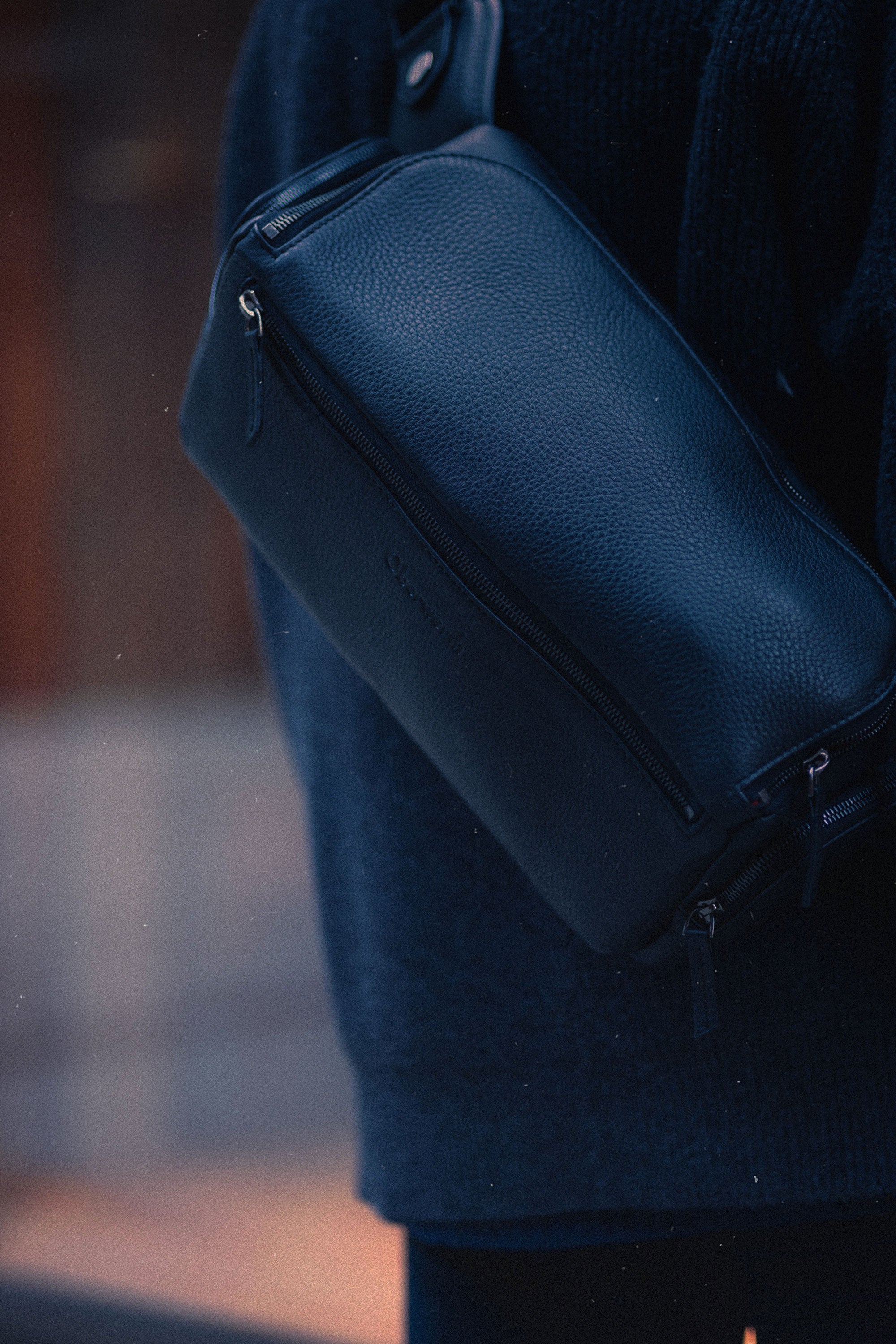
Full grain leather uses the entire thickness of the hide, including the outer layer with natural grain patterns. This results in: Superior durability ensures that the material reliably resists scratches, punctures and abrasions, while developing a beautiful patina that tells your own personal story over time. The natural, breathable fibers regulate moisture and contribute to a pleasant user experience, while the high strength ensures that the shape is retained even after years of intensive use. Oberwerth only uses full-grain leather to ensure that every camera bag gets better with age instead of deteriorating.
Vegetable tanned vs. chrome tanned
Tanning methods influence the properties of the leather: vegetable-tanned leather uses natural tanning agents from tree bark and produces leather that develops a rich patina over time. This traditional German craft technique produces leather with character and longevity.
Chrome tanned leather uses chemicals for faster processing. Although initially softer, it lacks the aging properties and environmental friendliness of vegetable tanning.
Hydrophobic leather technology
Modern hydrophobic treatments allow leather to repel water without sacrificing breathability or ageing properties. This technology bridges the gap between the premium qualities of leather and the weather resistance of synthetic materials. Photographers no longer have to choose between elegance and practicality.
Craftsmanship
Hand-selected hides from European tanneries form the basis of our products and are complemented by precise stitching with reinforced stress points to ensure maximum durability. High-quality hardware, designed for decades of use, and rigorous quality control at every stage of production ensure that every detail meets the highest standards, and the investment in quality craftsmanship pays off with decades of reliable service.
Caring for your leather sling bag
Proper care will extend the life of your leather sling bag indefinitely: Care for the leather regularly every three to six months with a high-quality leather care product to maintain suppleness and protection. When not in use, store the bag in a dust bag and avoid prolonged exposure to direct sunlight to protect the material. After wet conditions, it is advisable to wipe the surface with a dry cloth and then allow the leather to dry naturally away from direct heat sources.
Size & fit guide
The right size of camera sling bag
ensures comfort and functionality. How to measure and choose appropriately.
Measuring your equipment
Before selecting a sling bag, measure your largest camera + lens combination:
First measure the length of your camera body including the lens attached - from the back of the camera to the front of the lens. Then determine the height of the body, including any mounted portrait grip, and the width at the widest point with accessories attached. Add about 3-5 cm to each dimension for padding and comfortable access, so that your camera can be safely stowed without pressure or compression.
Sling bag size categories
| Size | Capacity | Ideal for |
|---|---|---|
| Compact (3-5L) | 1 housing + 1-2 small lenses | Rangefinder cameras, compact mirrorless cameras |
| Medium (6-10L) | 1 housing + 2-3 lenses + accessories | Standard mirrorless, most photographers |
| Large (11-15L) | 1-2 housings + 3-4 lenses + accessories | Professional mirrorless, smaller DSLRs |
Body size considerations
Your physical stature has a significant influence on the ideal strap length and positioning of the bag: people of smaller stature should look for compact slings with a shorter minimum strap length, while those of larger stature should ensure that the strap is long enough and fits the maximum length specifications. Upper body length also plays an important role, as the sling should ideally sit at natural waist height when worn on the back to ensure optimum comfort and freedom of movement.
Customization for a perfect fit
Position the bag on your back so that the strap runs diagonally from the shoulder to the opposite hip and then adjust it so that the bag sits in the lower back area - not too high or in the middle. Swing the bag forward; it should land comfortably at chest or stomach height. If there is a stabilizing strap, adjust it so that it does not swing when you move. Then move naturally - the bag should feel secure without restricting your freedom of movement.
Top Oberwerth Sling Bag recommendations
Based on years of service to photographers worldwide, here are our top recommendations for camera sling bags for different needs.
Best overall choice
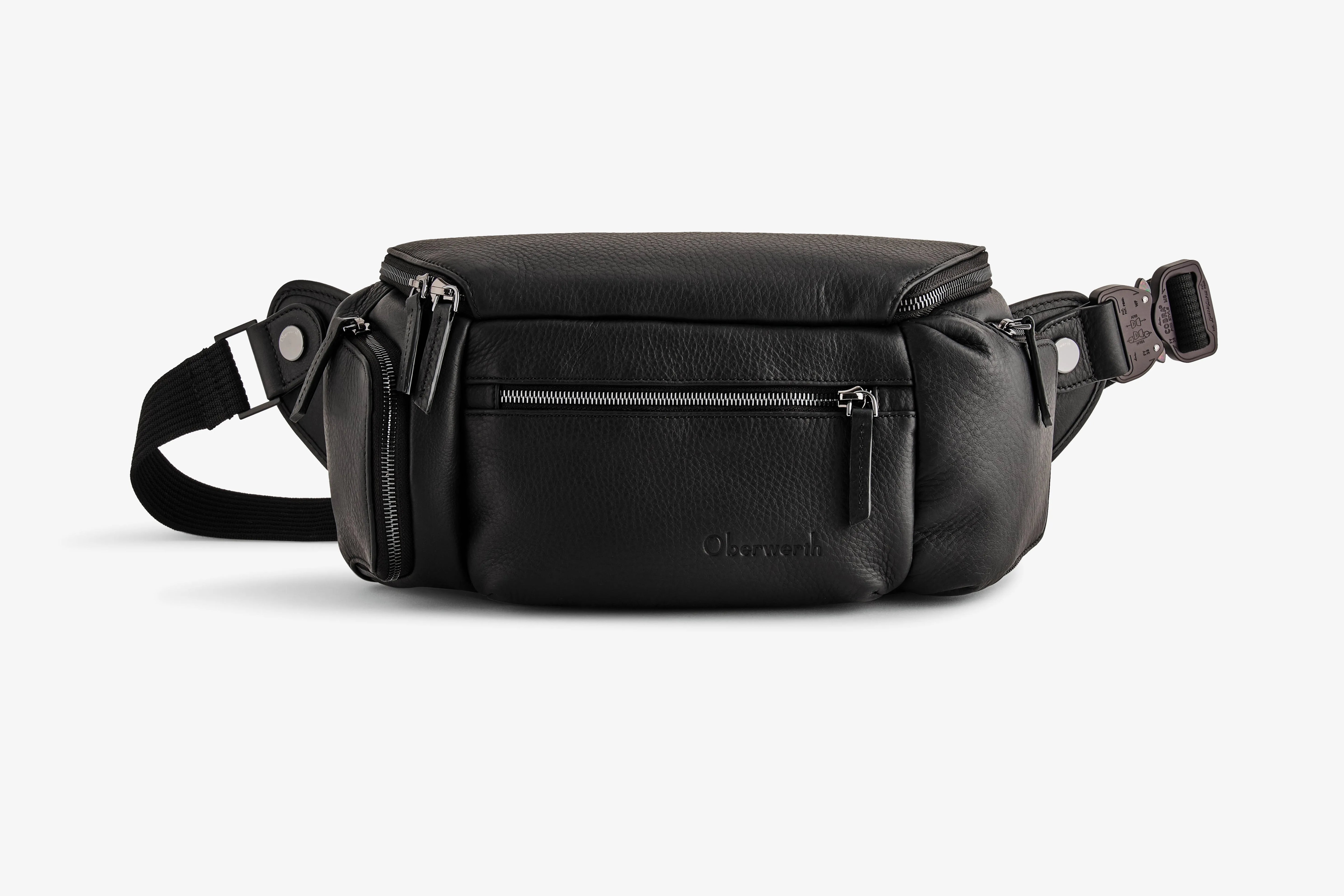
For photographers looking for the perfect balance of capacity, quality and versatility - our Signature Leather Sling holds mirrorless systems with 2-3 lenses and exudes refined elegance.
Made from high-quality, full-grain German leather, the bag impresses with its durable quality and elegant feel. Adjustable interior dividers allow for flexible organization, while a hidden security pocket offers additional protection for valuables. The quick-access main compartment also ensures that your equipment is always ready to hand.
Best for mirrorless cameras
Compact design optimized for Sony, Canon RF, Nikon Z and Fujifilm systems. The slim profile does not sacrifice protection or access speed.
Specially sized for compact mirrorless camera bodies, the bag offers an ideal fit and secure hold. The memory foam strap padding ensures a high level of comfort, while the weatherproof, hydrophobic leather offers reliable protection against external influences. An integrated lens change pocket also enables quick and easy access at the crucial moment.
Best for traveling
Built for photographers exploring the world. Enhanced security features, weather protection and all-day comfort for demanding travel plans.
Hidden compartments with integrated anti-theft protection provide extra security on the go, while the hydrophobic leather construction offers reliable protection from the elements. The bag complies with most airlines' hand luggage regulations and can be easily combined with rolling suitcases thanks to the practical luggage pass-through strap.
Best premium choice
For photographers who accept no compromises. Exceptional materials, hand-finished details and heirloom quality that improves over decades of use.
Hand-picked premium skins form the basis for the highest quality, complemented by durable solid brass hardware and hand-stitched, reinforced stress points for maximum stability. Individual personalization is also possible on request, giving each bag a very personal touch.
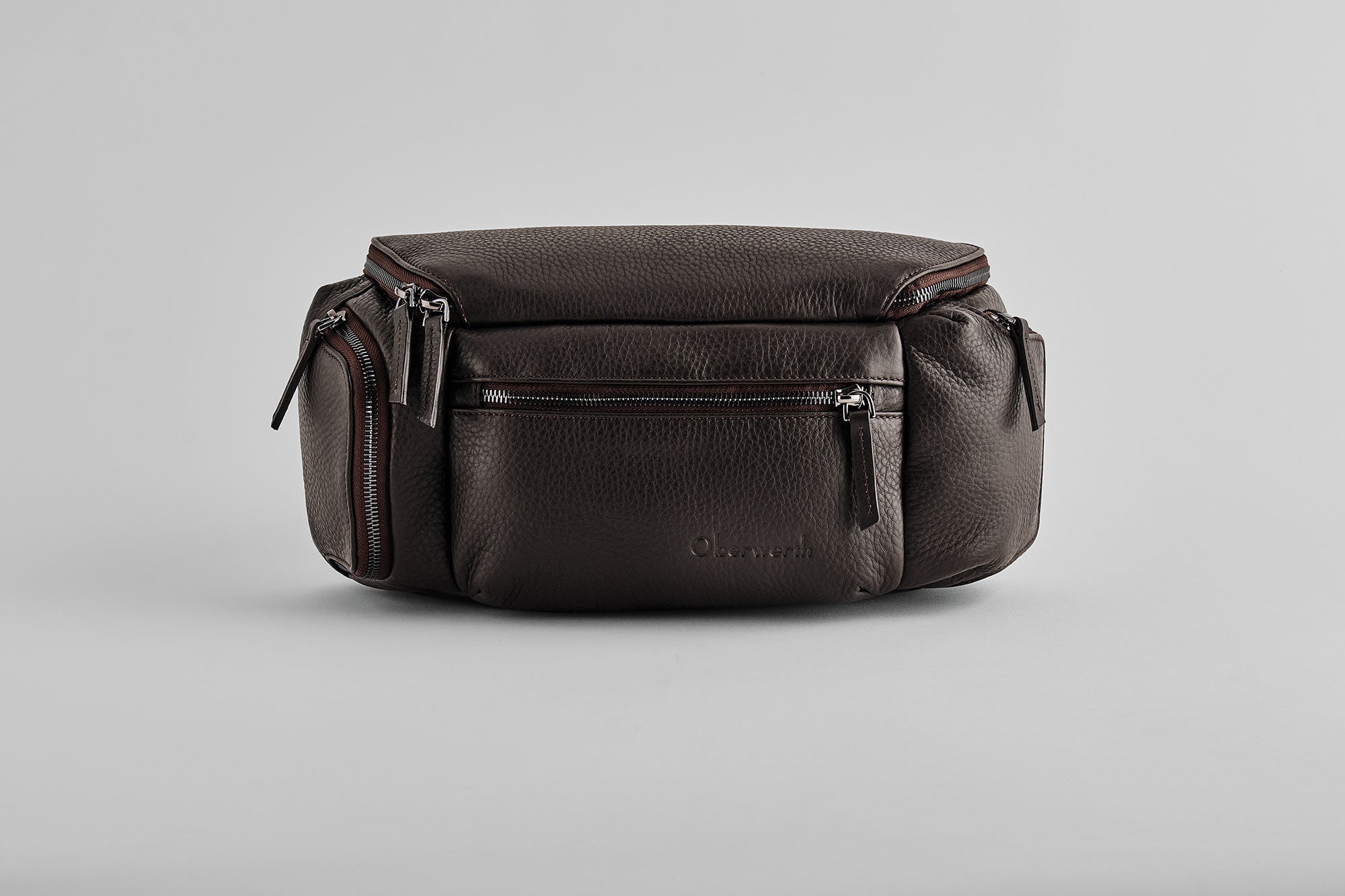
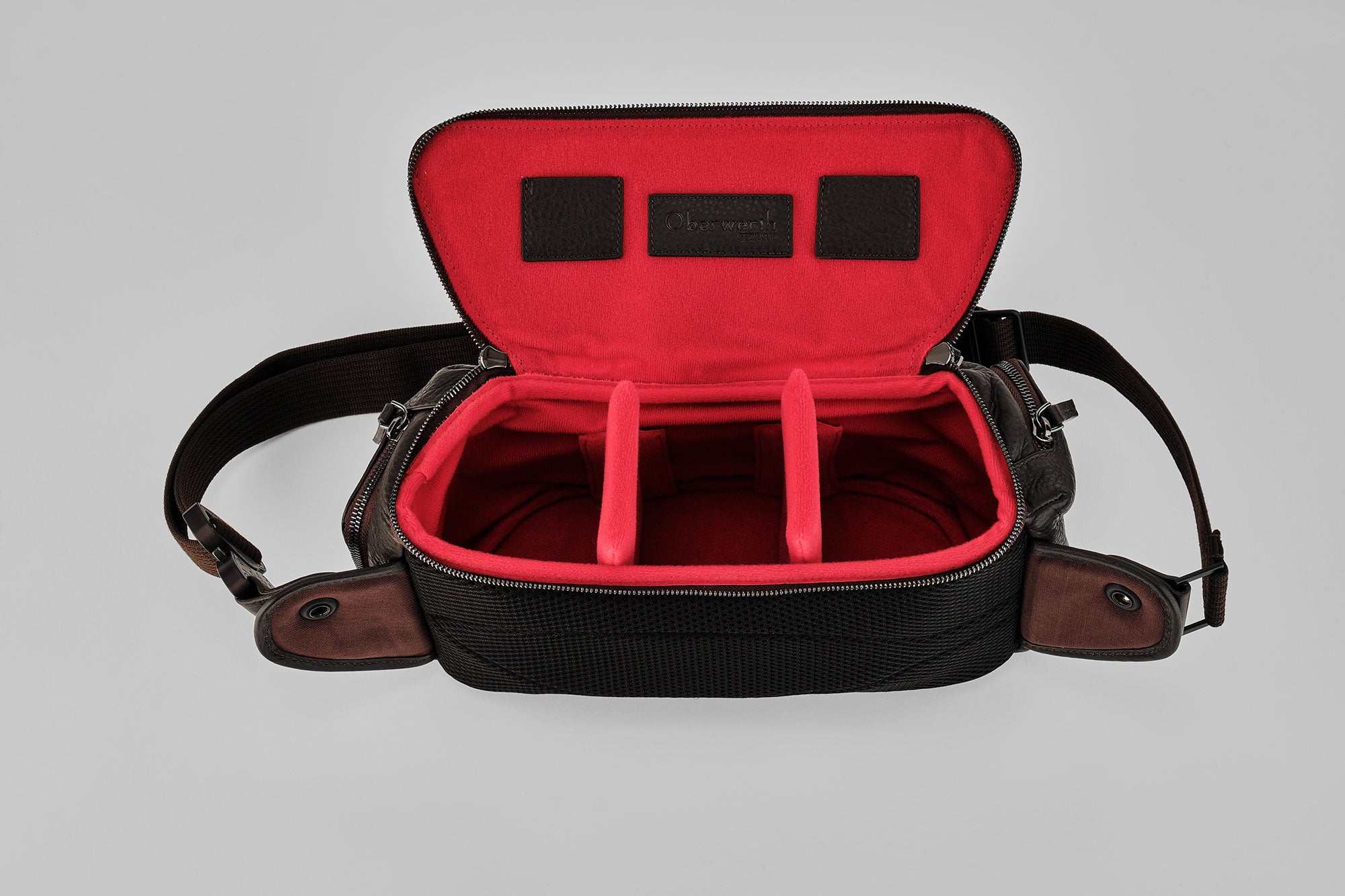
Find your perfect camera sling bag
The right camera sling bag transforms your photography experience. Quick access keeps you ready for decisive moments. Quality construction protects your investment for years to come. And premium materials ensure your bag will match the caliber of your photography.
Whether you're shooting street photography in Tokyo, photographing weddings in Munich or exploring landscapes across Europe, a well-chosen sling bag becomes an extension of your creative workflow.
Oberwerth's camera sling bags combine German craftsmanship with photographer-focused design. Each bag is built to serve your photography for decades, developing character and patina that tell the story of your creative journey.
Frequently asked questions
The best camera sling bag for mirrorless cameras offers compact dimensions that fit smaller bodies while providing adequate protection. Look for bags with 6-10 liters that will hold your body with 2-3 lenses. Leather slings from Oberwerth harmonize particularly well with premium mirrorless systems from Sony, Canon, Nikon, Fujifilm and Leica.
Yes, larger camera sling bags (11-15 liters) can accommodate DSLRs with a lens attached. However, make sure you check the internal dimensions against your specific camera and lens combination. Full-frame DSLRs with longer lenses may require a camera backpack for optimal fit and weight distribution.
Traditional leather offers natural water resistance but is not completely waterproof. However, modern hydrophobic leather treatments significantly improve water repellency while maintaining the premium qualities of the leather. Oberwerth's hydrophobic leather bags handle light rain effectively. For heavy rain or underwater conditions, combine your leather sling with a rain cover or choose specialized waterproof bags.
Carry a camera sling bag with the strap crossing diagonally from one shoulder to the opposite hip. The bag should rest against your lower back when it is in the carrying position. To access your camera, swing the bag forward around your body without removing the strap. Adjust the strap length so that the bag lands at a comfortable chest height when swung forward.
The terms are often used interchangeably, but camera sling bags typically have specific photography-oriented designs: padded interiors with customizable dividers, quick-access closures, and reinforced construction for heavy camera gear. Crossbody bags are a broader category that may lack these specialized features. Camera sling bags are essentially crossbody bags optimized for photographic equipment.
High quality camera sling bags cost between 100€ and 500€+. Budget options (100-200€) offer basic protection but may lack durability. Mid-range bags (200-350€) offer good materials and workmanship. Premium leather slings (350€+) offer exceptional craftsmanship, superior materials and decades of reliable service. Think of your bag as an investment that will protect thousands of dollars of camera gear.
Most camera sling bags prioritize compact profiles and do not accommodate laptops. If you need to carry a laptop with camera gear, consider a laptop camera bag or our laptop-compatible collection. Some larger slings will hold tablets, which could fulfill your mobile editing needs.
Sling bags work well for light hikes and day trips where quick camera access is more important than maximum capacity. For technical hikes or multi-day trips that require extensive equipment, a camera backpack offers better weight distribution and capacity. Many photographers use slings for photo walks and shorter excursions and reserve backpacks for more demanding outdoor adventures.
Related guides
Camera backpack guide
Leather camera bag guide
Camera messenger bag guide
Travel photography pocket guide
Canon camera bag guide
Leica camera bag guide