Article: Vegetable tanned vs. chrome tanned camera bags: Why Oberwerth leather is vegetable tanned
Vegetable tanned vs. chrome tanned camera bags: Why Oberwerth leather is vegetable tanned
Anyone looking for a leather bag might first look at the color, design or cut. But what about the basic material, the animal product leather, from which most high-quality camera bags are made? This is where issues such as durability, aesthetics and environmental compatibility come into play, and consumers are only just beginning to become aware of the tanning of leather and the serious environmental consequences that can arise from its irresponsible processing. A fundamental distinction must be made between vegetable-tanned and chrome-tanned leather. As the primary process of preserving animal hide, tanning defines not only the feel and appearance of the end product, but also its ecological footprint and its development over time.
The quick way: chrome-tanned leather
If sustainability is important to you, the decision to buy a leather camera bag may be a conscious one. After all, the trend has long since shifted from a vegan lifestyle that rejects the use of animal products to a conscious consumption of local, durable and high-quality products. This applies just as much to animal-based foods as it does to leather goods. It is particularly easy to choose leather, which is actually a by-product of the meat industry that is preserved by tanning. The tanning process is essential to prevent the leather from decomposing and rotting and can be carried out in different ways. The ancient Romans famously used urine for this, which releases tanning ammonia as it decomposes, while it is still widely known among hunters today that the brains of an animal are always just enough to tan the corresponding hide. Unfortunately, around 85% of leather goods today are produced with chrome tanning using minerals, which can be extremely harmful to the environment and raises major questions about sustainability.
Chrome tanning, which was developed in the late 19th century, uses mineral salts, primarily chromium (III) sulphate. This form of tanning is extremely fast, efficient and cost-effective and the entire process often only takes a few days. This also reduces the cost of the tanned leather and makes chrome tanning ideal for use in mass production. In addition, the resulting leather is very soft, supple and flexible right from the start. Chrome-tanned leather is particularly resistant to water, heat and stains, retains its color very well and allows for particularly even dyeing.
However, all these advantages come at a price and more and more consumers are becoming aware of this and are not prepared to buy the mass-produced tanned leather. Although chromium(III) is generally considered non-toxic, it can oxidize into toxic chromium(VI) if handled or disposed of improperly. While disposal is strictly regulated in our latitudes, the situation is quite different in other regions of the world. For example, there are alarming reports from India about what improper handling of waste water from chrome tanning can do to people and the environment if, for example, it gets into water and soil in an uncontrolled manner.
In addition to this serious ethical argument regarding its processing, there are also aesthetic aspects that lead many people to prefer to use elaborately naturally tanned leather products. Chrome-tanned leather does not develop a patina even after a long period of use and it ages less elegantly than its natural counterpart. Although it remains color-fast and dimensionally stable, it does not achieve the elegant beauty of well-aged natural leather.
If you want to see exactly this development, from an initially rich surface to a deep, lively patina, you should consciously opt for a camera bag made of open-pored natural leather, which has been tanned without chrome salts and synthetics. A material like this reacts visibly to light, touch and use: edges darken, small marks merge with the surface, and with every tour a neutral bag becomes a very personal companion with character.

The traditional way: vegetable-tanned leather
Leather was tanned naturally long before the possibility of tanning animal skins with chrome was discovered, indeed long before man began to farm and settle down. The number of possibilities is huge, as natural tanning methods are fundamentally based on the use of tannins, tanning agents found in tree bark, leaves, fruit or wood, for example. As mentioned, animal brains or fermented urine can also be used to tan leather. In any case, natural tanning is an intensive, time-consuming process that can often take several weeks or even months.
However, in contrast to the time-saving and therefore more cost-effective chrome tanning, natural tanning has many advantages. It is environmentally friendly and its waste products are all biodegradable. The same applies to the leather tanned in this way, which is free from heavy metals and chemicals. This is not only an important aspect for leather clothing, but also represents an important health protection for the people who work in leather processing and specifically in tanning. Leather obtained in this way is also extremely robust and durable. Over time, it develops a unique patina, which appears as a soft, slightly darker surface and is created through use, sunlight and touch. Each bag thus becomes an unmistakably unique piece that tells the personal story of its owner.
Another advantage is that naturally tanned leather retains a natural, warm appearance and a characteristic, pleasant smell, in contrast to the often chemical smell of chrome leather. Although it is somewhat stiff at first, naturally tanned leather becomes more supple over time and adapts perfectly.
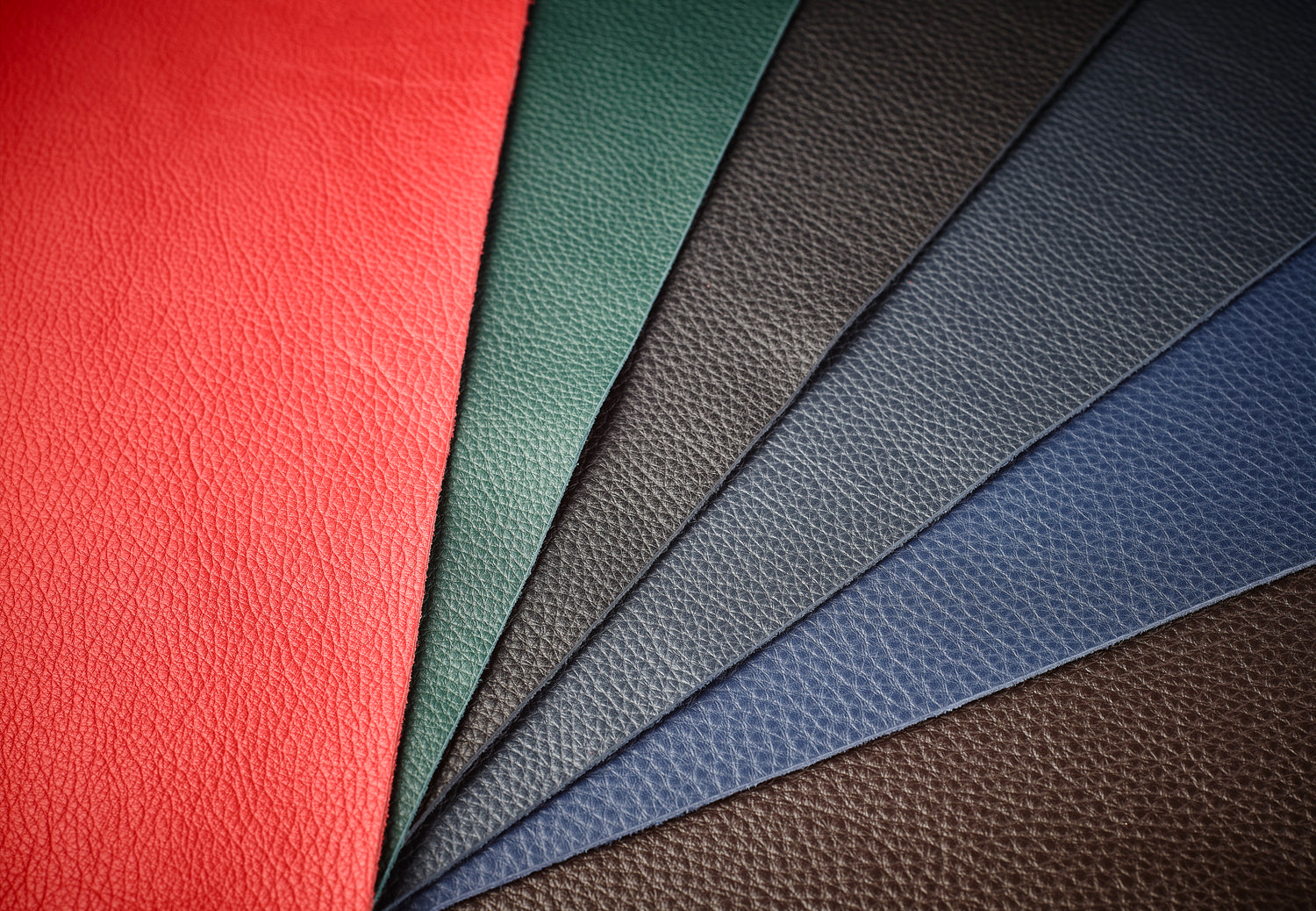
However, as no aggressive chemical dyes are used, the color palette of naturally tanned leather is significantly limited and natural, often earthy tones predominate. It is also more susceptible to scratches, stains and water and requires regular care to maintain its suppleness. However, the most important factor that drives many manufacturers to opt for chrome tanning is the time and corresponding cost of natural tanning, as the long process makes the leather more expensive.
For all those who see this extra effort as a conscious investment, a bag, which consistently meets this requirement, is worthwhile: a robust full-grain leather, vegetable-tanned, combined with a well thought-out interior for camera, lenses and, depending on the model, even a notebook. The result is a piece of equipment that not only impresses today, but will become softer, more beautiful and more individual over many years, the more often it is used in everyday life, when traveling or at work.

Camera bags in Oberwerth leather quality
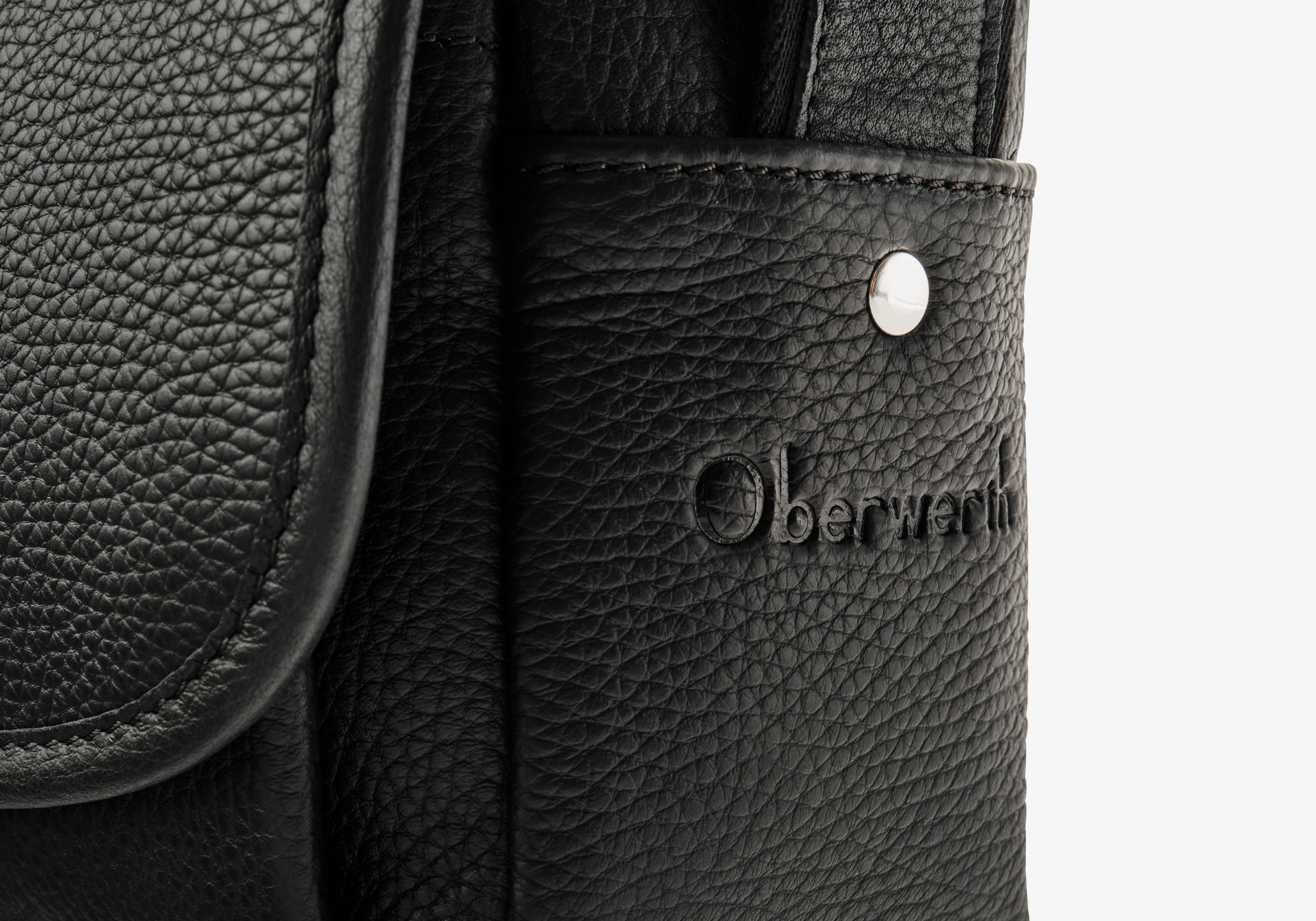
For ethical and aesthetic reasons, Oberwerth has been using environmentally friendly, naturally tanned leather for a long time. As a rule, full-grain leather is used, which represents the highest quality level of leather. This is obtained from the uppermost layer of the animal hide and therefore offers a natural grain structure. Full-grain leather is characterized by its particular strength and is extremely durable, as it has the entire fibre structure of the hide. Its natural surface is also open-pored and breathable and, especially when vegetable-tanned, can develop a beautiful, deep patina over the years.
By choosing vegetable tanning, Oberwerth is sending out a clear signal for environmentally friendly leather. The leather, which is produced fairly in Germany and neighboring European countries, meets the highest ecological standards because sustainability is important to us and we are aware of our responsibility for the well-being of people and the environment. Our leather is therefore free from heavy metals and plastics, which are often used to seal chrome-tanned leather.
The same principle can be extended to the smallest detail of the equipment, especially where leather comes into direct contact with the skin. A carrying strap made from vegetable-tanned leather with a soft, allergy-friendly neck pad combines the camera and bag into a coherent overall set-up: breathable, cut-protected and designed for a long service life, rather than just functioning as an interchangeable accessory.
Conclusion
The decision between a vegetable-tanned and a chrome-tanned camera bag is ultimately a question of priorities. If you are looking for an inexpensive, very soft and color-stable product for quick consumption, you might go for the chrome-tanned version. However, if sustainability and environmental compatibility are important to you, if you prefer to buy a high-quality product that you can look after and enjoy for many years, you will be happy with naturally tanned leather. Full-grain leather ensures the highest material quality and the timeless aesthetics and natural patina ensure that the camera bag becomes more beautiful from year to year.