What are the best Leica lenses?
Fast, lightweight and durable - Leica lenses have an exceptionally good reputation. But does it really have to be such a fine lens and which of the many options is best suited to your personal photographic explorations?
Why Leica lenses are so good
Admittedly, Leica lenses are among the most expensive lenses on the market. But it is not only the pleasure of luxury and the good name that makes photographers from all over the world not shy away from high prices and continues to be the reason for the success of Leica lenses. Leica Kamera AG not only produces expensive lenses, but also particularly good and exceptionally durable lenses.
One of the quality features of Leica lenses is their high speed and the special image and processing quality. Despite their high performance, the lenses are extremely light and easy to handle. No wonder, after all, the Leica M is the camera for street photography par excellence. Generations of photographers have raved about the particularly high-quality feel in their hands when working with Leica lenses. In addition, the Leica lens plays a decisive role in creating the special Leica look, which is often described and praised and gives photos with a Leica lens an unmistakable signature.
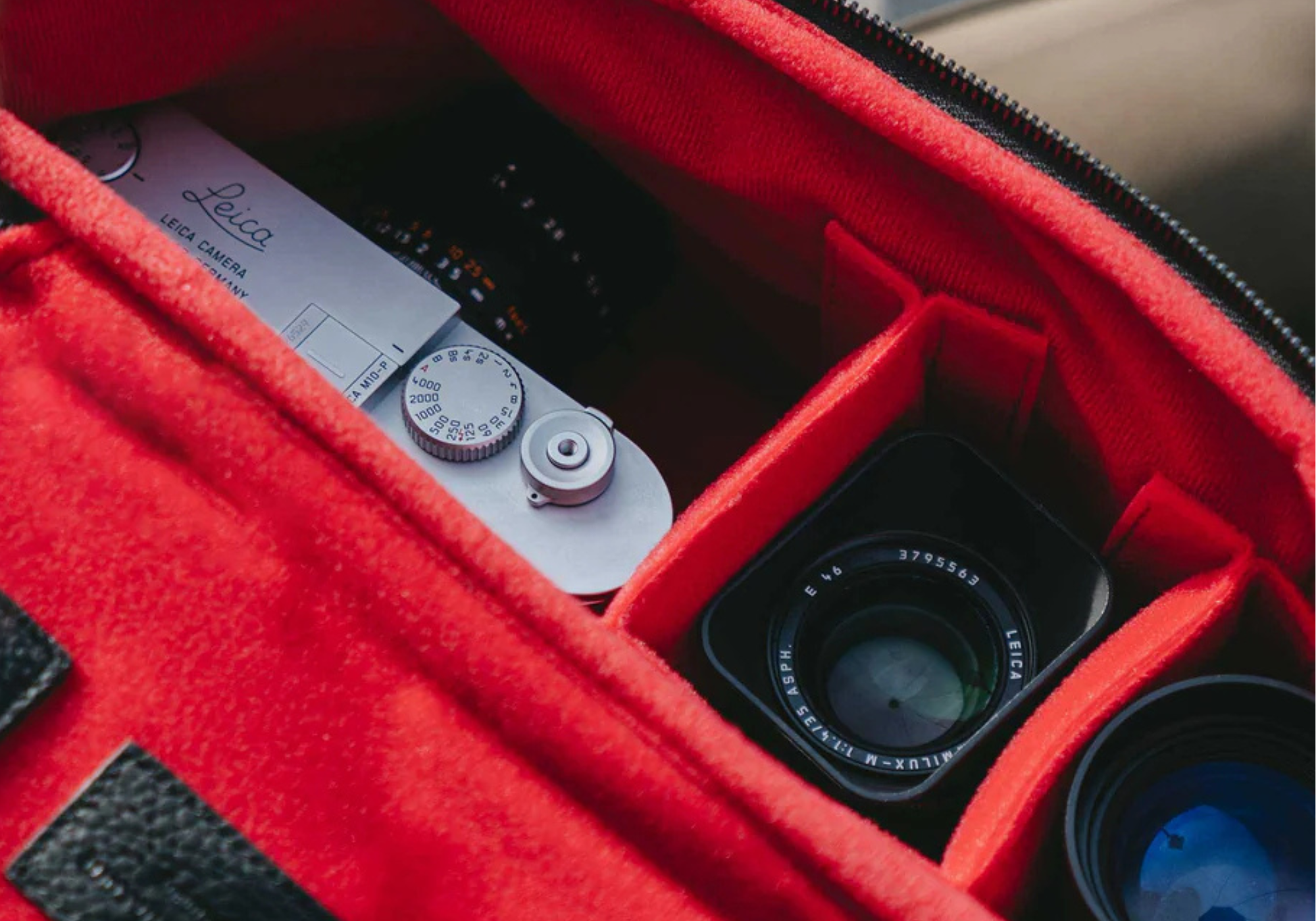
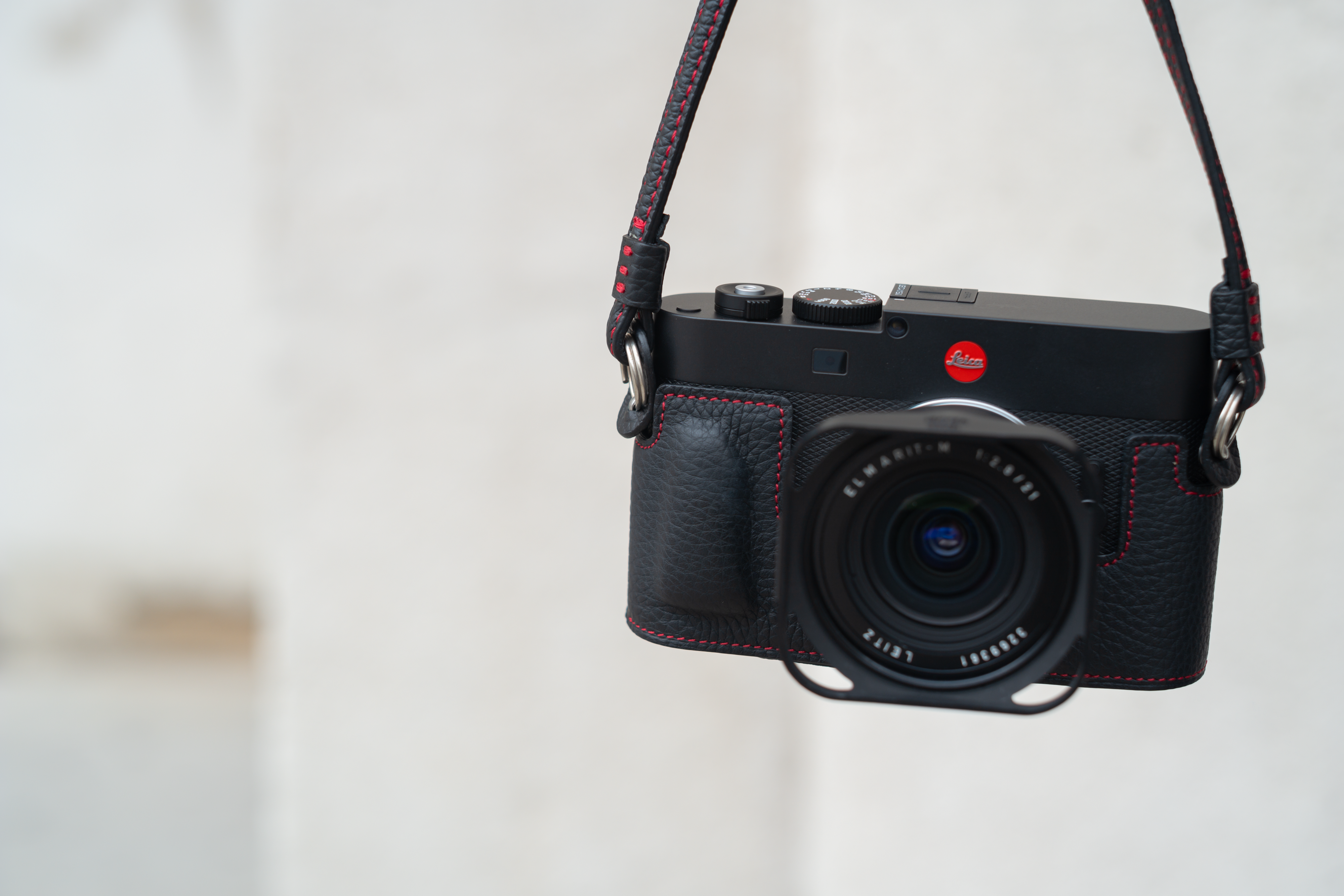
If you equip your Leica camera with fast lenses such as the 35 mm Summicron or the wide-angle Elmar, your equipment also deserves a camera bag such as The Q Bag® that meets this requirement. An elegant camera bag with a well thought-out interior layout not only protects the camera and lens, but also offers space for additional lenses or accessories.

There is no mass production or machine manufacturing at Leica. Instead, all Leica lenses are assembled by hand by people in Wetzlar and the other two factories in Portugal and Canada. This is where the special glass specially designed and manufactured for the lenses is inserted by hand. Before the finished cameras or lenses leave the factory and go on sale, they undergo extensive individual testing to guarantee the highest quality.
A Leica lens is a purchase for life that pays off in the long term. There are still photographers today who use Leica lenses from their grandparents from over 60 years ago. Not only are the lenses so durable that they still work as well as on the first day, they are also compatible with almost all cameras since the legendary Leica M series in the mid-1950s. This long durability is well known in photographic circles and ensures that Leica lenses retain their value very well. So if, contrary to expectations, a lens starts to gather dust, you can sell it again for a good price. Of course, the reverse is also true: if a new Leica lens simply doesn't fit into your photography budget, you may be able to get hold of a new favorite at an affordable price on the second-hand market!
Which cameras are Leica lenses compatible with?
Leica lenses have been compatible with practically all Leica cameras since the famous Leica M series, i.e. since the 1950s. Leica SL cameras may require an adapter in combination with M lenses. Before you buy a new lens for your camera, you should find out about special features and exceptions to compatibility.
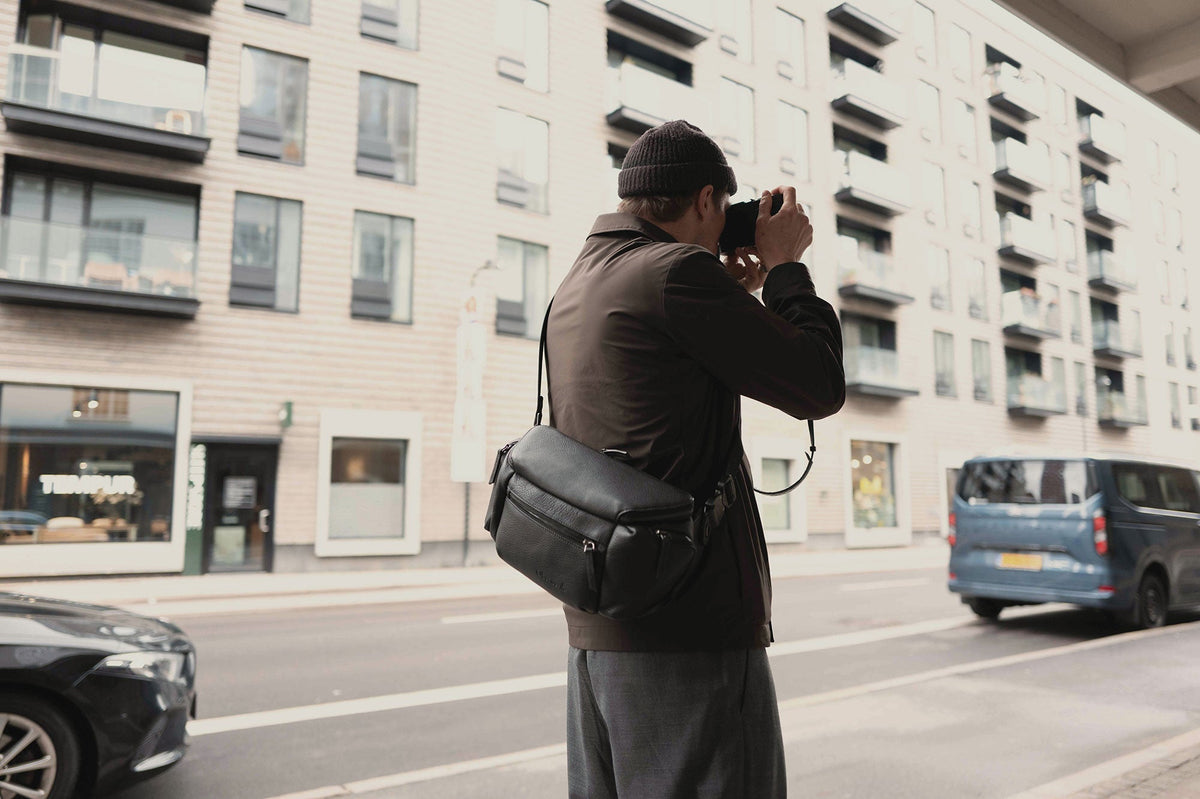
Regardless of whether you are using a classic M lens on a rangefinder camera or a modern SL lens, the right protection on the move is essential. A Leica photographer-friendly bag such as the camera bag Edward (M Bag), which is precisely tailored to your camera/lens setup, makes it easier to transport your equipment and ensures that you can travel safely without having to constantly pay attention to size and weight.
The fast Leica lenses can also be used with cameras from other brands. They also create particularly sharp, impressive images. However, special adapters are often required and compatibility can vary from lens to lens and camera to camera.

The best Leica lenses for every occasion
Anyone looking to buy their first Leica lens is probably looking for a practical all-rounder for this investment, a lens that makes good photos possible in pretty much any situation, not too heavy or large to make street photography an uncomfortable pleasure. Here are two of the most popular Leica lenses, always with you:
Leica APO Summicron SL 35mm f/2 ASPH
You can't go wrong with this 35mm fixed focal length lens. It is characterized by its particularly small format, but still offers a comparatively wide angle of view. Photographers love this lens because it is also ideal for taking pictures at night or in poor lighting conditions. As the Summicron lens works with a fixed focal length, you should be sure that it suits your working style before buying this lens. For some photographers, the non-adjustable fixed focal length feels restrictive, others love it because of the new challenges and creative freedom it brings.
Leica Super-Vario Elmar SL 16-35mm f/3.5 - 4.5
This lens is another all-rounder that is particularly suitable for traveling. As it does not work with a fixed focal length, but with focal lengths between 16mm and 35mm, it is more versatile to use. If you're not an absolute fan of fixed focal lengths, but opinions differ. The Elmar lens is regarded as one of the best Leica lenses for wide-angle photography. Fans of this camera report that they successfully take great pictures of street scenes, groups and architecture, as well as landscapes and weddings. In difficult lighting conditions, however, this lens leaves something to be desired compared to the Summicron.
It should also be mentioned that the Leica Summilux-M 90mm f/1.5 ASPH is particularly popular for portraits. The lens offers good image quality and is one of the best fixed focal lengths for working with portraits. The unique selling point that sets it apart from other lenses is above all its extraordinary bokeh, which makes the background look particularly beautiful.

Night photography with Leica lenses
For the special case of photography at night or at least in very poor lighting conditions, Leica has a few special lenses up its sleeve. In this special case, the right lens must have sufficient light intensity; a good camera alone is not enough. The Leica M10-R is particularly recommended here, as it has particularly good ISO values for night photography.
For photos with an open aperture and high ISO or a good ISO automatic, three lenses from the Leica range are generally suitable. The most expensive and best is the Noctilux lens, which is the absolute leader among Leica lenses with an incomparable open aperture of 0.95. However, it not only weighs heavily in terms of price, but also in the photo bag. The complex technology that makes the particularly difficult photography at night possible in the first place is not only heavy but also bulky, making for a somewhat unwieldy, albeit extraordinarily fast lens.
Anyone who photographs at night with fast lenses such as the Noctilux knows the problem: high weight, sensitive technology and limited storage space in classic bags. To transport these special lenses safely, you need a well thought-out camera bag Little William (The SL Bag® Medium) with sufficient depth, sturdy padding and quick access options, even in the dark. It's worth opting for a bag that has been designed precisely for this purpose.
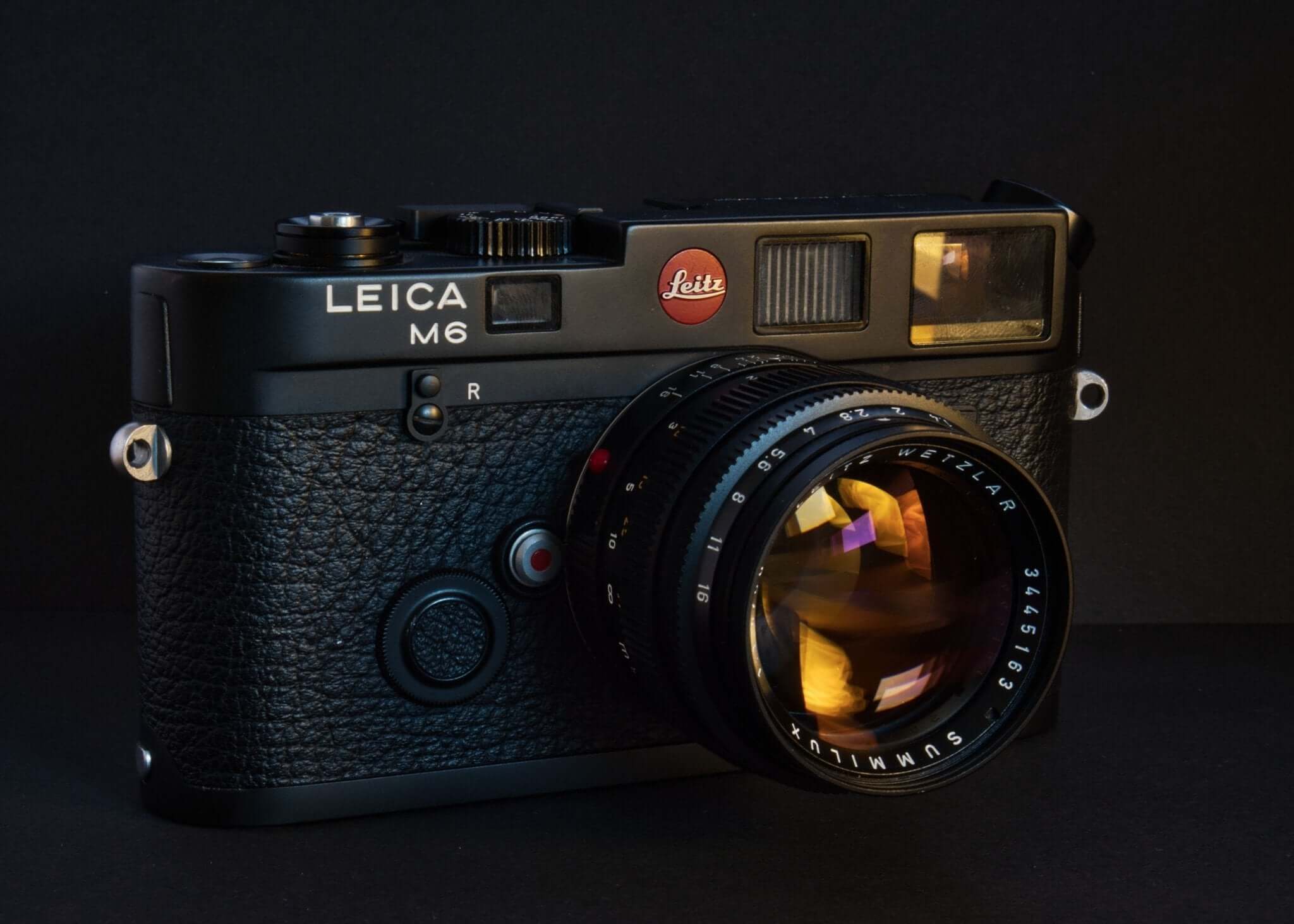
In second place when it comes to night photography is the Summilux lens series, which is still a sufficiently fast lens. As it is an all-rounder and also quite small and light, it is one of the most popular lenses among Leica photographers. It is appreciated for its fast yet sharp images and its beautiful bokeh. The speed, focal length and size of this lens harmonize particularly well.
And finally, there are also the Summicron lenses from Leica, particularly small and relatively affordable lenses for night photography from Leica. It is a fast lens with beautiful bokeh that cannot keep up with the Noctilux lens, but still takes great photos at night and in dark rooms. True to the motto: small but powerful!